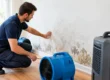
A musty basement after heavy rain. Dark spotting around an HVAC vent. Drywall that bubbled weeks after a leak you thought was handled. These are the moments when homeowners and property managers start looking for Holmdel mold remediation experts, and the right response matters more than most people realize.
Mold is not a problem to guess at. It is also not a problem that should automatically trigger panic. Some mold issues are limited and manageable. Others point to hidden moisture, ongoing structural damage, or indoor air quality concerns that can spread through a property if the source is left alone. The difference comes down to proper diagnosis, source correction, and a controlled remediation plan.
Why Holmdel mold remediation experts start with diagnosis
A lot of contractors want to jump straight to cleanup. That is where mistakes begin. If the moisture source is still active, mold can return behind walls, under flooring, or inside insulation no matter how aggressively the visible area was scrubbed.
A qualified mold specialist starts by asking a different question: why is mold growing here in the first place? In Holmdel properties, common causes include roof leaks, pipe failures, poor bathroom ventilation, basement humidity, crawl space moisture, window condensation, and HVAC-related moisture buildup. The visible growth is only part of the story.
That is why a professional process often includes inspection, moisture mapping, and, when appropriate, testing. Testing is not always necessary in every case, but it can be useful when the contamination is hidden, when occupants are reporting health-related concerns, or when a property owner needs documentation for tenants, buyers, or internal records. A written remediation protocol also brings structure to the job. It defines the affected areas, the scope of work, the containment strategy, and the cleanup standard.
What proper mold remediation actually involves
True mold remediation is not the same thing as spraying chemicals and repainting the wall. If that is the plan, the job is being under-scoped.
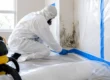
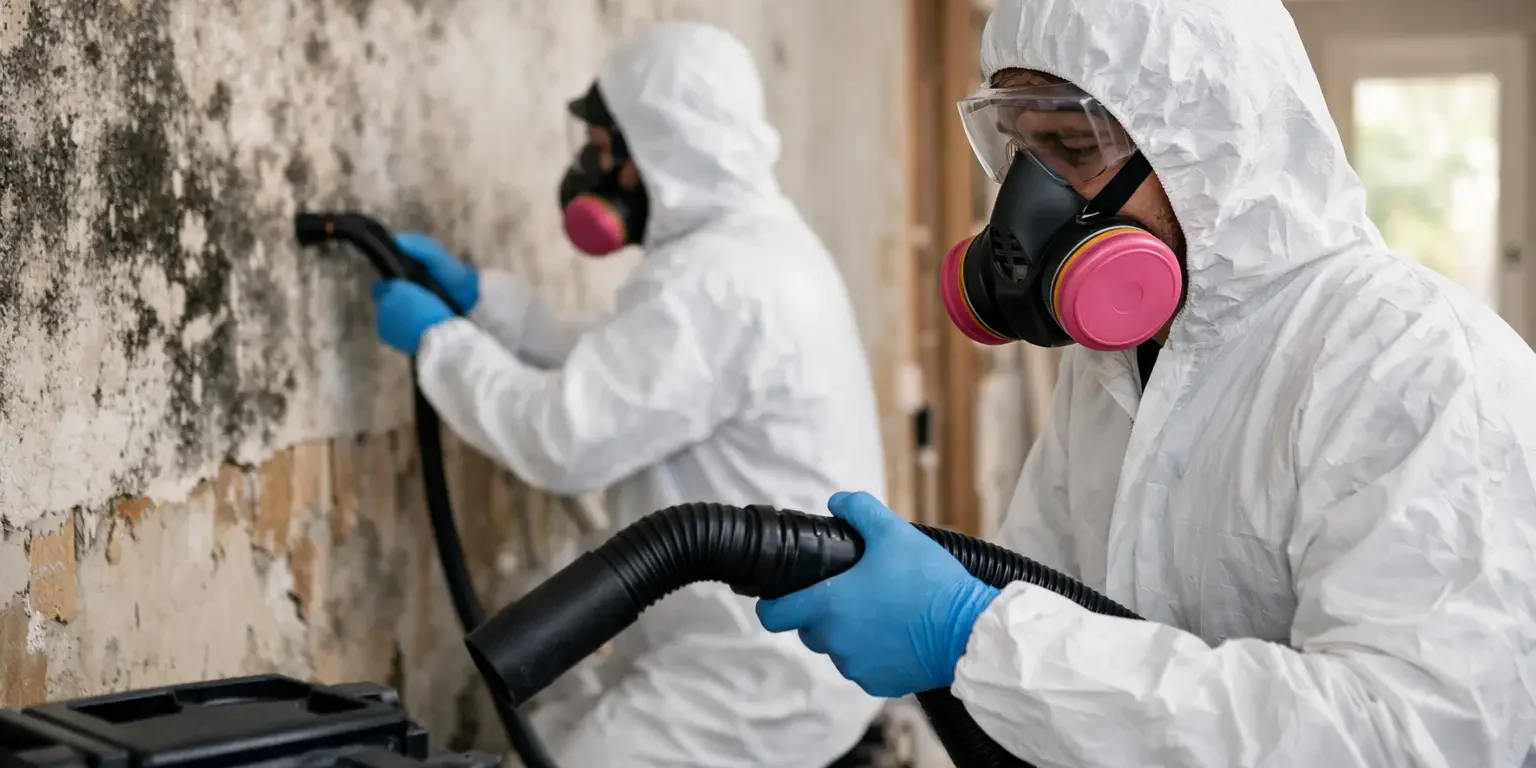
Professional remediation usually begins with containment. This step isolates the affected area so mold spores do not spread into occupied rooms during demolition and cleanup. Depending on the severity, that can involve physical barriers, negative air pressure, and air filtration equipment. This is especially important in homes with children, older adults, or anyone with respiratory sensitivities, but it matters in commercial settings too, where poor containment can affect staff, customers, and adjoining spaces.
Once the area is controlled, damaged materials may need to be removed. That can include drywall, insulation, carpeting, ceiling tiles, or other porous materials that cannot be reliably cleaned. Non-porous and semi-porous surfaces may be cleaned using methods that align with industry standards and the conditions on site. The goal is not to mask staining. The goal is to remove contamination safely and reduce the chance of cross-contamination.
After that, the underlying moisture issue must be corrected. This is the part many low-cost providers skip or leave vague. Without it, the remediation is incomplete. Even a small plumbing leak or chronic humidity problem can restart microbial growth in the same area.
When a small mold issue is not really small
Property owners often hope the affected area is minor because only a little mold is visible. Sometimes that is true. Sometimes it is not.
Mold growth often shows up where moisture finally reaches the surface, not where the problem started. A stain near a baseboard may be connected to a slow wall cavity leak. A patch on a ceiling may reflect a larger roof or flashing issue. Odor without visible growth can point to hidden contamination in insulation, subflooring, or HVAC components.
There is also the timing issue. If water damage sat untreated for more than a day or two, conditions may have been right for mold growth long before anyone noticed a visual change. By the time surfaces discolor, contamination may already be established in adjacent materials.
That does not mean every mold concern is a major remediation project. It means assumptions are expensive. Professional assessment protects you from both extremes – overreacting to a minor issue and underreacting to a serious one.
How Holmdel mold remediation experts protect indoor air quality
Indoor air quality is where bad mold work causes lasting problems. Disturbing contaminated materials without containment can release spores and particulates into clean areas of the property. That can turn one affected room into a whole-house or whole-building problem.
This is why standards-based remediation matters. Proper containment, filtered air movement, controlled demolition, debris handling, and final cleaning are not extras. They are central to protecting occupants and keeping the remediation zone from spreading. In occupied homes and businesses, this planning becomes even more important because the work has to balance urgency with safety.
For commercial properties, there is another layer. Mold can affect operations, tenant confidence, employee comfort, and liability exposure. A rushed cleanup that ignores documentation and containment may create more disruption later. Property managers and business owners usually benefit from a process that is clear, documented, and built around returning the space to normal conditions as efficiently as possible.
Red flags when hiring a mold company
If a company promises to solve the problem without identifying the moisture source, that is a warning sign. If they push fear instead of facts, that is another. Not all mold is dangerous, and credible professionals say that plainly. The real concern is uncontrolled growth, compromised materials, and the indoor air quality impact of contamination left unresolved.
Another red flag is vague language. You should be able to get a clear explanation of what is affected, what needs to be removed or cleaned, how the area will be contained, and what steps are needed to correct the source. Certification, insurance, and standards adherence matter here because mold remediation is a specialized environmental service, not general handyman work.
It is also reasonable to ask about response time. Mold problems often follow active leaks, flood events, or humidity failures. Waiting too long can increase material damage and remediation scope. A company that can respond quickly and explain the process clearly is usually better positioned to control the situation early.
What homeowners and property managers in Holmdel should do first
If you suspect mold, the first move is not tearing into walls or spraying store-bought products everywhere. That often makes the area harder to evaluate and can spread contamination. Start by limiting disturbance, especially if the area is larger than a small isolated patch or linked to a recent water event.
If possible, note where you see visible growth, where you smell musty odors, and whether there was a recent leak, flood, humidity spike, or HVAC issue. That context helps narrow down the likely source. Then bring in a qualified remediation specialist who can inspect the area and determine whether testing, source tracing, containment, or material removal is needed.
For rental properties or commercial buildings, documentation matters just as much as cleanup. A disciplined process helps owners show that the issue was addressed responsibly, which can reduce confusion with tenants, staff, or future buyers.
Certified Mold Removal Inc. approaches this work the right way – identify the source, define the scope, contain the area, and remediate the problem without guesswork or scare tactics.
The real value of hiring specialists
The best mold remediation work is not dramatic. It is controlled, methodical, and based on what the building actually needs. That may mean a smaller project than you feared, or it may mean opening concealed spaces to stop a bigger problem from spreading. Either way, a specialist gives you something far more useful than a quick quote – a defensible plan.
For Holmdel property owners, that matters because mold is rarely just a cosmetic issue. It touches health concerns, property condition, tenant experience, and long-term value. When the work is done correctly, the result is not just cleaner surfaces. It is a safer indoor environment and a much lower chance of facing the same issue again a few months later.
If mold is showing up in your home or building, the smartest next step is calm, fast, and professional action. The sooner the source is identified, the more options you usually have.