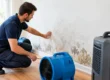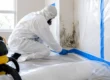
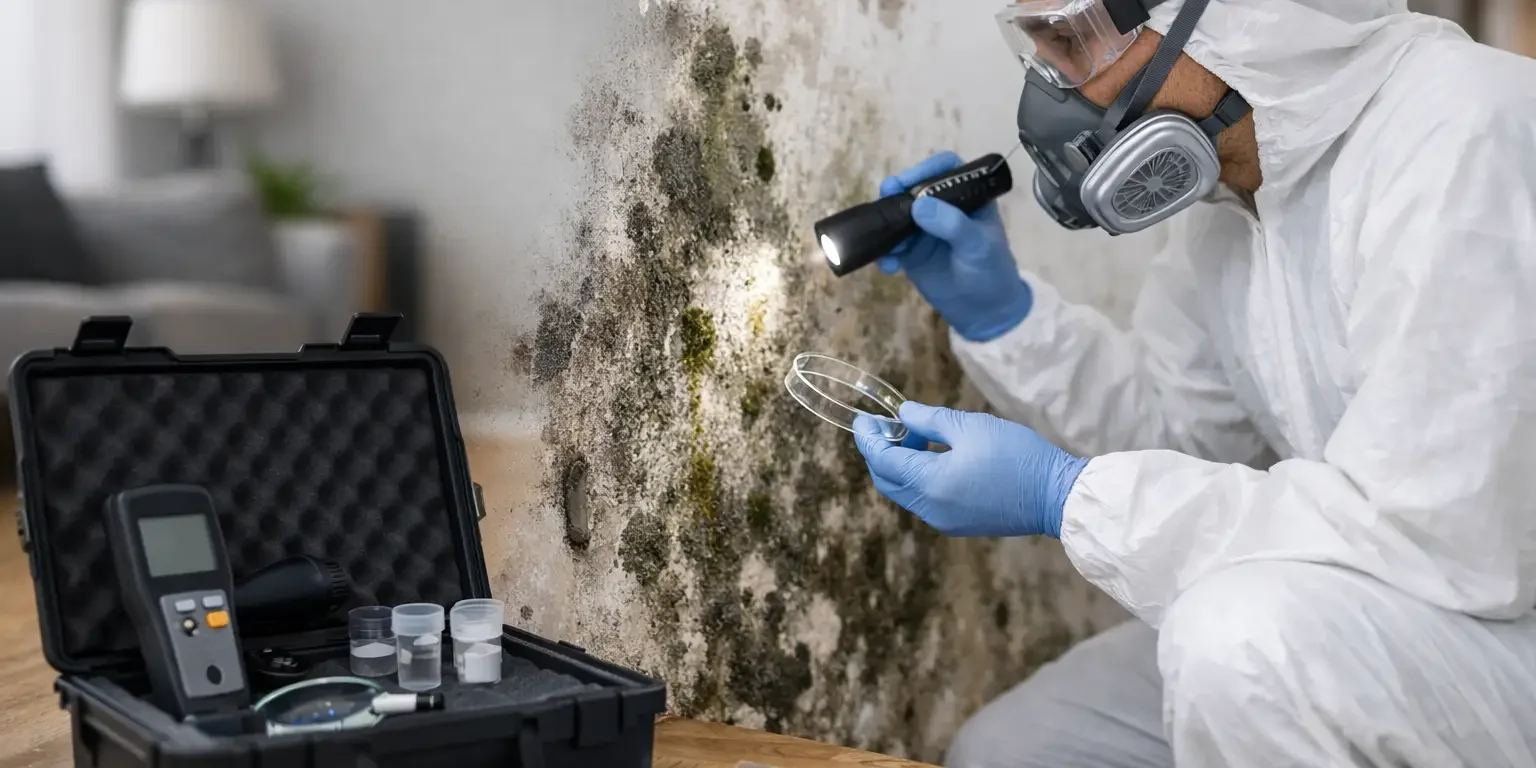
A musty basement after heavy rain, a brown ceiling stain that keeps growing, a tenant complaining about headaches near one office suite – these are the moments when Freehold mold testing services stop being a nice idea and become the first smart move. The goal is not to create panic. The goal is to find out what is happening, how far it has spread, and what needs to be corrected before the problem gets more expensive.
That distinction matters. Not every dark spot is a major hazard, and not every mold issue calls for the same response. But guessing is how small moisture problems turn into wall cavity contamination, damaged building materials, and ongoing indoor air quality complaints. Proper testing gives homeowners, property managers, and business owners a factual starting point.
What good Freehold mold testing services actually do
A real mold testing service does more than collect a sample and hand over a lab sheet. It starts with inspection and context. Where is the moisture coming from? Is the issue tied to a roof leak, plumbing failure, poor ventilation, elevated humidity, or a past water event that was never fully dried? Without that part, lab results have limited value.
An experienced specialist looks at visible growth, staining patterns, humidity conditions, air movement, and the rooms around the suspected problem area. In many cases, mold is not just sitting out in the open. It can develop behind drywall, under flooring, inside insulation, around HVAC components, or in crawl spaces that stay damp for months.
Testing is then used to support the diagnosis. That may include air sampling, surface sampling, or both, depending on the situation. Air samples can help compare indoor conditions to normal expectations and identify elevated spore levels. Surface samples can help confirm whether visible material is mold and what type is present. The right method depends on the property, the occupancy, and the question that needs to be answered.
Why testing before cleanup matters
One of the biggest mistakes property owners make is hiring someone to start tearing out material before the problem has been properly defined. That can disturb spores, spread contamination, and create a larger containment issue. It can also waste money if the visible area is only a small part of the actual source.
Testing before remediation helps answer a few critical questions. First, is there active mold growth or just old staining? Second, how extensive is the issue? Third, what containment and removal methods make sense? Fourth, has the moisture source been identified so the problem does not return?
This is where certifications and process matter. A disciplined mold professional does not treat every job like a demolition project. The response should match the conditions on site. Sometimes the right answer is targeted cleanup and moisture correction. Sometimes it requires a more controlled remediation plan with containment, negative air, and removal of affected materials. It depends on what the inspection and testing actually show.
Signs you may need mold testing in Freehold
Some calls are obvious. You can see growth on drywall, wood trim, or stored items after a leak. Other situations are less clear. You may notice a persistent earthy odor in a finished basement, repeated condensation around windows, warped flooring near a bathroom, or recurring allergy-like symptoms in one part of the building.
Property managers often run into a different version of the same problem. A tenant reports staining, but the cause is disputed. A unit had prior water damage, and now there are concerns about whether the area was dried correctly. In commercial spaces, staff may complain about odor or air quality while the source remains hidden above ceiling tiles or inside mechanical areas.
In these cases, testing is useful because it replaces assumptions with documented findings. That is especially important when decisions affect tenants, employees, timelines, insurance discussions, or future repair costs.
What the mold testing process should look like
A professional process should feel methodical, not rushed. The first step is a visual inspection of the affected and adjacent areas. Moisture readings and environmental observations help narrow down where the issue began and whether conditions still support growth.
Next comes sampling, if sampling is warranted. Not every situation needs every type of sample. Over-testing can be just as unhelpful as under-testing if it is done without a clear reason. A qualified specialist chooses samples based on the building conditions, occupancy concerns, and whether the findings will change the remediation approach.
After that, the results should be interpreted in plain English. A lab report by itself is not enough for most clients. You need to know what the findings mean for your property, whether remediation is necessary, how urgent the situation is, and what should happen first. If a source problem is still active, such as a leak or chronic humidity, that has to be addressed as part of the plan.
For larger or more sensitive losses, written remediation guidance may also be appropriate. That is where experience separates true specialists from contractors who only know how to remove what they can see.
Choosing between air and surface testing
This is one of the most common questions, and the honest answer is that it depends.
Air testing is often useful when there is concern about hidden mold, occupant exposure, or indoor air quality. It can help show whether spore levels indoors are elevated and whether one area differs from another. But air samples are a snapshot in time. Results can be influenced by activity in the room, HVAC operation, weather, and how recently the area was disturbed.
Surface testing is more direct when visible material is present. It can confirm that growth exists on a specific surface and identify the mold found there. But it does not always tell you how widespread the issue is behind the surface or elsewhere in the building.
That is why testing should never be sold as a one-size-fits-all package. The value is in choosing the right method for the actual problem.
What homeowners and building managers should avoid
The biggest risk is not always the mold itself. It is the wrong response.
Spraying household products on visible mold may lighten the stain without fixing the contamination underneath. Painting over affected material can trap the problem and make future detection harder. Cutting into walls without containment can spread spores into clean areas. And hiring a general handyman without mold-specific training can turn a manageable issue into a larger remediation project.
The same goes for fear-based sales tactics. If someone tells you every mold finding is a severe emergency without explaining the moisture source, the affected area, and the basis for their recommendation, that is a warning sign. Professional advice should be direct, but it should also be measured. Some mold problems are serious. Some are localized. The right service tells you which one you have.
Why local experience matters in Freehold
Freehold properties deal with a familiar mix of conditions that can support mold growth – humid summers, wet basements, older building materials, roof and gutter failures, bathroom ventilation issues, and occasional storm-related water intrusion. Those patterns do not make every property high risk, but they do shape how problems develop.
A specialist who regularly works in Monmouth County is more likely to recognize where moisture hides in split-level homes, finished basements, crawl spaces, apartment units, and commercial buildings with aging mechanical systems. Speed matters too. When moisture is recent or conditions are actively worsening, waiting too long can mean more material damage and a more complicated cleanup.
Companies like Certified Mold Removal Inc. build their reputation on that combination of fast response, proper diagnosis, and standards-based remediation planning. That is what clients need when they are trying to protect a home, keep tenants safe, or avoid disruption to a business.
What happens after testing
Testing is not the finish line. It is the decision point.
If results and inspection findings show a minor, contained issue, the next step may be limited corrective work along with moisture control. If the contamination is more extensive, a formal remediation process may be needed, including containment, removal of affected materials, cleaning, and post-remediation verification depending on the project scope.
The key is sequence. First identify the source. Then define the extent. Then correct the moisture issue. Then remove contamination safely. Skip the order, and the problem often returns.
If you are weighing whether to act now or wait, look at the trend line. Mold problems rarely improve on their own if moisture is still present. A focused inspection and testing process gives you something better than guesswork. It gives you a clear path, and that is usually the point when stress starts to come down.