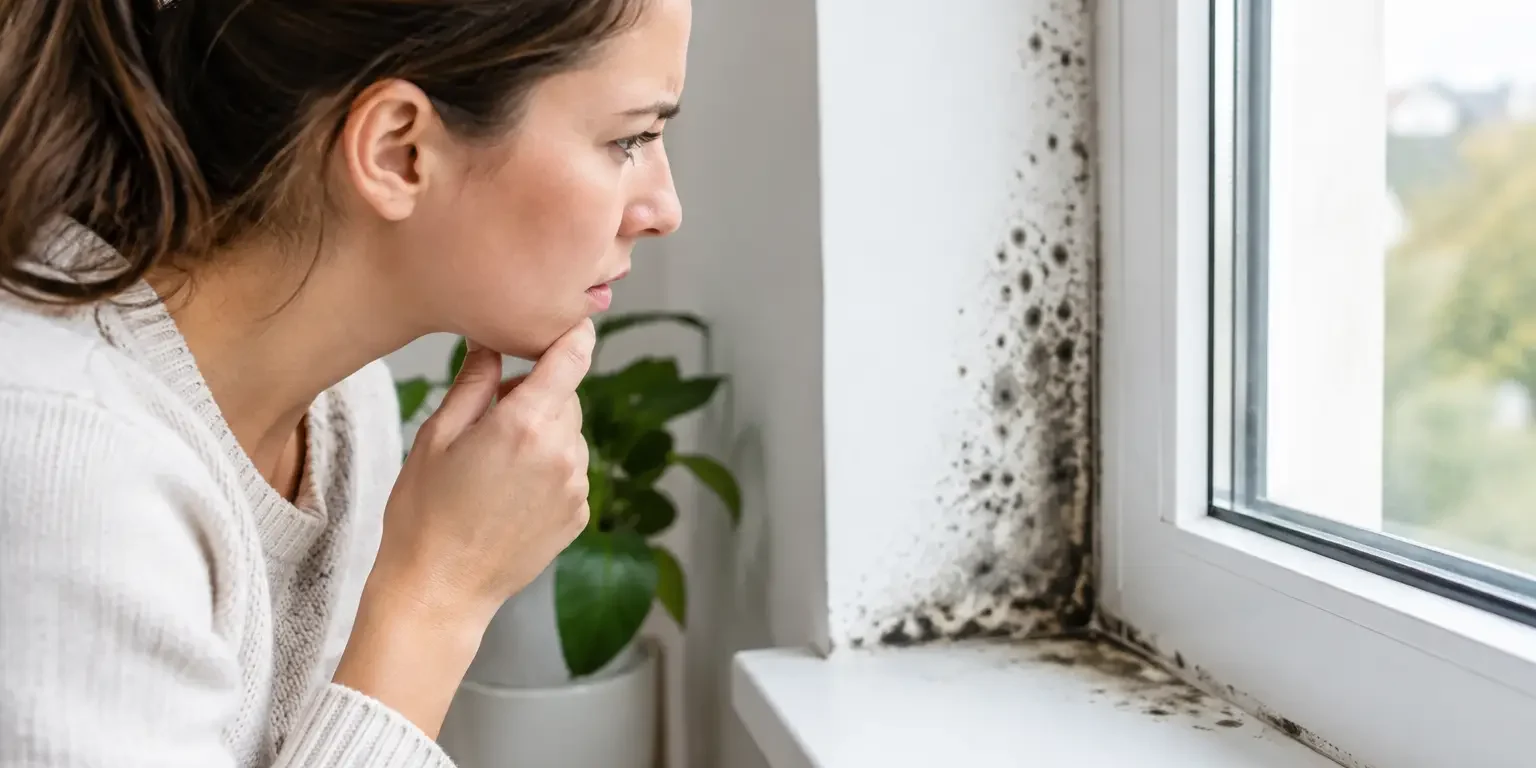
A dark line around a window frame is rarely just a cleaning issue. The top causes of window mold are nearly always tied to excess moisture, and the visible growth may be the first warning that a room, window assembly, or building system is not managing water correctly. Acting early protects finishes, indoor air quality, and the people who use the space.
Not every spot of mold means a major contamination event. However, mold that returns after cleaning, spreads beyond the glass or sash, appears after water damage, or is accompanied by a persistent musty odor deserves a professional assessment. The goal is not to create alarm. It is to identify the moisture source, correct it, and determine the right level of cleanup.
Top Causes of Window Mold
Condensation on Cold Window Surfaces
Condensation is one of the most common causes of mold around windows, particularly during colder months in New Jersey, New York, Pennsylvania, and Connecticut. Warm indoor air holds moisture. When that air meets a cold pane of glass, metal frame, or poorly insulated window edge, the moisture turns into water droplets.
A small amount of condensation on a very cold morning can happen in an otherwise healthy home. The concern begins when windows are routinely wet, water runs onto the sill, or the surrounding trim stays damp for hours. Dust, paint, caulk, wood, and drywall can provide material for mold to grow once moisture is consistently available.
Older single-pane windows and failing insulated glass units are more prone to this issue, but even newer windows can develop condensation when indoor humidity is too high. Replacing a window may help in some situations, but it will not solve a humidity or ventilation problem by itself.
Elevated Indoor Humidity
Many window mold cases begin with humidity that has nowhere to go. Long showers, frequent cooking, drying clothes indoors, large aquariums, and unvented combustion appliances can all add moisture to indoor air. In tightly sealed homes and commercial buildings, that moisture can accumulate quickly.
Relative humidity should generally remain in a controlled range, often around 30% to 50% depending on outdoor conditions and the building. If humidity remains high during cold weather, windows become the coldest available surface and collect the moisture first.
A basic hygrometer can help confirm whether a humidity problem is likely. Still, a reading alone does not identify why humidity is elevated. The cause may be inadequate exhaust ventilation, an oversized humidifier, a wet basement, a plumbing issue, or an HVAC system that is not effectively removing moisture.
Poor Ventilation in Bathrooms, Kitchens, and Bedrooms
Rooms that produce moisture need a reliable way to exhaust it outdoors. A bathroom fan that is undersized, disconnected, clogged, or rarely used can allow steam to move into nearby bedrooms and settle on exterior windows. The same applies to kitchen exhaust that recirculates air rather than venting moisture outside.
Bedrooms are frequently overlooked. Overnight breathing adds substantial moisture to a closed room, especially when several people sleep there with the door shut. If window mold appears mainly in bedrooms, the pattern may point to overnight condensation rather than a direct window leak.
Opening a window occasionally may provide temporary relief, but it is not always practical or effective during humid summer weather, rain, or freezing temperatures. Functional mechanical ventilation and humidity control are more dependable long-term solutions.
Window Leaks and Failed Exterior Seals
Mold on the lower sill, inside trim, or drywall next to a window may be caused by rainwater intrusion rather than condensation. Failed caulking, damaged flashing, deteriorated exterior trim, roof runoff, cracked siding, and improperly installed windows can direct water into the wall assembly.
This type of problem is often more serious because water can remain hidden behind drywall or inside insulation long after the visible surface dries. Telltale signs include peeling paint, stained trim, bubbling drywall, soft wood, swelling around the frame, or mold that worsens after storms.
Do not assume a visible gap can be solved with a quick bead of caulk. Exterior water management depends on proper integration of the window, flashing, drainage plane, and surrounding materials. Sealing the wrong area can trap water where it cannot drain, increasing the risk of concealed damage.
Insufficient Insulation and Thermal Bridging
Cold spots around a window can be caused by missing insulation, gaps in the wall cavity, or thermal bridging through framing and metal components. The inside surface may become cold enough for condensation even when the rest of the room feels comfortable.
This issue is especially common around bay windows, older additions, recessed window areas, and walls that have been altered during prior renovations. A homeowner may clean the mold repeatedly without realizing that the wall behind the trim is substantially colder than the surrounding surface.
A qualified inspection can distinguish a simple surface-condensation issue from a building-envelope problem. That distinction matters because the corrective work may involve insulation, air sealing, window repair, or a combination of measures.
HVAC Problems and Uneven Airflow
Heating and cooling systems influence moisture, temperature, and air movement throughout a building. When supply vents are blocked, return air is restricted, filters are neglected, or equipment is improperly sized, some rooms may stay cooler and damper than others. Windows in those rooms can become repeat condensation points.
Air conditioning can also contribute indirectly when condensate drainage fails or when a system does not run long enough to remove adequate moisture. In commercial properties, changes in occupancy, operating hours, or interior renovations can alter airflow patterns and expose a problem that was not present before.
The right answer depends on the building. Increasing airflow may reduce window condensation in one room, while another property may need targeted dehumidification or repairs to the exterior wall.
How to Tell Condensation From a Window Leak
The timing and location of moisture provide useful clues. Condensation usually forms on the glass, frame, and sill during cool weather or after moisture-producing activities. It may appear on several windows, particularly in bathrooms, kitchens, and bedrooms. A leak is more likely to create staining or dampness around one specific window and may worsen after wind-driven rain.
That said, the two conditions can exist together. A window with poor insulation may collect condensation, while damaged exterior components allow rainwater into the wall. Visual observations are helpful, but they are not a substitute for determining where the moisture is actually coming from.
Why Repeated Cleaning Is Not a Mold Solution
Wiping a small area with an appropriate cleaner can remove visible surface growth, but it does not correct the conditions that allowed mold to develop. If the sill remains wet each morning or rainwater enters around the frame, the growth can return quickly.
Avoid dry scraping, sanding, or aggressively disturbing moldy materials. These actions can spread particles into the room and make cleanup more difficult. Porous materials that are water-damaged or extensively affected may require controlled removal rather than surface cleaning.
For property managers and business owners, recurring window mold should also be documented. Patterns across units, floors, or exterior elevations can reveal a broader humidity, ventilation, or building-envelope issue that requires a coordinated response.
When to Request a Professional Mold Inspection
Professional help is appropriate when mold repeatedly returns, covers more than a small localized area, extends into drywall or trim, follows a leak or flood, or is associated with musty odors and occupant concerns. It is also appropriate when you cannot confidently identify whether moisture is caused by condensation, plumbing, HVAC, or exterior water intrusion.
A credible inspection should focus on evidence, not fear. It may include a visual assessment, moisture evaluation, review of building conditions, and sampling when it will answer a meaningful question. The next step should be a clear remediation plan that addresses source correction before cleanup begins.
Certified Mold Removal Inc. approaches window mold as a moisture-management problem first. Proper diagnosis helps prevent unnecessary work while ensuring that hidden water damage or contamination is not overlooked.
A window should not become a recurring source of dampness in your home or workplace. If cleaning does not stop the problem, treat the pattern as useful evidence: moisture is still present, and finding its path is the most effective way to protect the property and the people inside it.