A musty odor behind a finished wall, staining after a plumbing leak, or visible growth in a basement can create immediate pressure to “clean it up.” But remediation protocol vs cleanup is not a minor wording difference. One is the documented plan that defines what must be corrected and how the work will be controlled. The other is the hands-on work of removing contamination and restoring the affected area.
For homeowners, property managers, and business owners, confusing the two can lead to an incomplete job. Surfaces may look clean while the moisture source remains active, containment may be inadequate, or materials behind walls may still be affected. The result is often recurring growth, unnecessary repair costs, and continued indoor air quality concerns.
What Is a Remediation Protocol?
A remediation protocol is a written, site-specific work plan created after an assessment of the property. It turns inspection findings into clear instructions for correcting the problem safely and completely. It should not be a generic estimate with broad language such as “treat mold” or “clean affected areas.”
A proper protocol identifies the source of moisture, the affected locations, the expected scope of removal, and the protective measures needed during the work. It gives the property owner a practical basis for comparing proposals and verifying that the completed work matches the actual condition of the building.
The exact level of detail depends on the size and complexity of the issue. A small, isolated area caused by a corrected leak may require a more straightforward plan than widespread contamination connected to chronic humidity, a roof failure, or repeated flooding. Either way, the plan should address the cause before the removal work begins.
What a written protocol should cover
A thorough remediation protocol commonly addresses several distinct elements:
- The moisture source and the repairs required to stop it
- A description of affected materials and the locations involved
- The work area boundaries and containment requirements
- Worker and occupant protection measures, including air-control procedures
- Which materials should be removed, cleaned, or retained
- Cleaning methods, waste handling, and final verification criteria
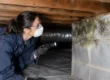
This documentation matters because remediation is not just about applying a chemical or wiping visible spotting from a surface. Porous materials can hold contamination beneath the surface, and concealed cavities can be affected even when the room itself appears manageable. The protocol establishes what needs to happen before a crew opens, removes, cleans, or rebuilds anything.
What Does Cleanup Mean?
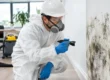
Cleanup is the physical execution of the remediation work. It can include setting containment, protecting unaffected areas, removing damaged materials, cleaning structural surfaces, controlling dust, and disposing of debris properly. Once the work area is cleaned and dry, repairs can move forward.
Cleanup is essential, but it is only one stage of the process. Without a clear protocol, a contractor may be making decisions as the job unfolds without an agreed-upon scope or defined success criteria. That can create uncertainty for everyone involved, especially when a property owner needs documentation for tenants, buyers, insurers, or building records.
Cleanup can also mean very different things depending on who is using the term. A homeowner may mean wiping a bathroom ceiling. A general contractor may mean removing wet drywall. A qualified remediation team means controlled removal and cleaning based on the condition of materials, the source of water, and the potential for particles to spread beyond the work area.
Remediation Protocol vs Cleanup: Why the Difference Matters
The simplest distinction is this: the protocol tells the team what to do and why; cleanup is the work performed under that plan.
That distinction protects the property owner from two common problems. The first is under-scoping, where visible material is cleaned but hidden affected materials or moisture pathways are missed. The second is over-scoping, where a contractor recommends extensive removal without documented evidence that it is necessary.
An accurate plan brings discipline to the decision-making process. It identifies the conditions that justify removal, defines how unaffected areas will be protected, and gives the owner a way to ask informed questions. It also reduces the chance that cosmetic repairs will cover up an unresolved issue.
For commercial properties, a protocol can be especially valuable. Building managers may need to coordinate tenant access, limit disruption, document corrective action, and protect occupied areas during work. A written scope gives maintenance teams, contractors, and decision-makers the same roadmap.
Why Source Correction Comes First
Mold needs moisture to grow. If a roof leak, plumbing failure, foundation seepage, condensation issue, or high-humidity condition is still present, cleanup alone cannot deliver a lasting result.
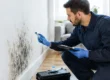
This is why diagnosis comes before demolition. The first question is not, “How much will it cost to remove?” It is, “Why did this happen here?” A trained inspection can trace moisture patterns, identify likely pathways, evaluate material conditions, and determine whether testing will add useful information.
Testing is not automatically required in every situation. When visible growth and a clear moisture source are present, a detailed inspection and properly written protocol may provide the direction needed to proceed. Testing may be more helpful when contamination is suspected but not visible, when occupants report recurring odors or symptoms, when a building has a complicated history of water damage, or when verification documentation is needed.
The important point is that testing should support a real diagnostic purpose. It should not be used to create fear or pressure a property owner into work that has not been properly justified.
What Safe Cleanup Should Look Like
Once the moisture source is corrected and the scope is defined, the remediation team can carry out the cleanup in a controlled sequence. The details vary by property, but the goal remains the same: remove or clean affected materials without spreading contamination into occupied spaces.
Containment is a central part of that process. Depending on the scope, this may include sealed work areas, controlled entry points, protective coverings, and air-management equipment. These controls help separate the work zone from the rest of the home or business while removal and cleaning take place.
Affected porous materials may need removal when they cannot be reliably cleaned. Structural components that can be properly cleaned may be treated using methods appropriate to their condition and material type. The area should then be dried thoroughly, cleaned in a manner that addresses settled debris, and prepared for post-work review before reconstruction begins.
Be cautious of any company that promises to solve a serious moisture or mold issue with a quick spray treatment alone. Sprays may have a limited role in specific circumstances, but they do not repair the source of water, remove damaged porous materials, or replace the need for controlled cleaning.
Questions to Ask Before You Approve Work
You do not need to be a building expert to make a sound decision. Ask the contractor to explain the moisture source, the affected materials, and why each proposed step is necessary. Request a written scope that distinguishes source repairs, remediation work, and rebuilding so you can understand what is and is not included.
You should also ask how the work area will be contained, how debris will be removed, and what criteria will be used to determine that remediation is complete. Clear answers are a sign of a professional process. Vague assurances, scare tactics, or pressure to approve extensive work immediately are reasons to slow down and seek qualified guidance.
For properties in Monmouth County and surrounding areas, response speed matters after a leak or water event. Still, speed should never replace diagnosis. The right team can move quickly while following a standards-based process that protects occupants and prevents avoidable damage.
The Right Order Protects Your Property
A sound mold response follows a practical order: identify the moisture problem, document the scope, correct the source, perform controlled cleanup, and verify that the area is ready for restoration. Skipping the protocol may feel faster at first, but it can leave the building exposed to repeat problems and unclear accountability.
If you are facing visible growth, persistent moisture, or a musty odor that will not go away, treat it as a building condition that deserves a professional evaluation, not a cosmetic cleaning task. A clear written plan gives you the confidence to act quickly, approve only necessary work, and return your property to normal conditions with safety at the center of every decision.