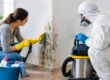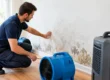
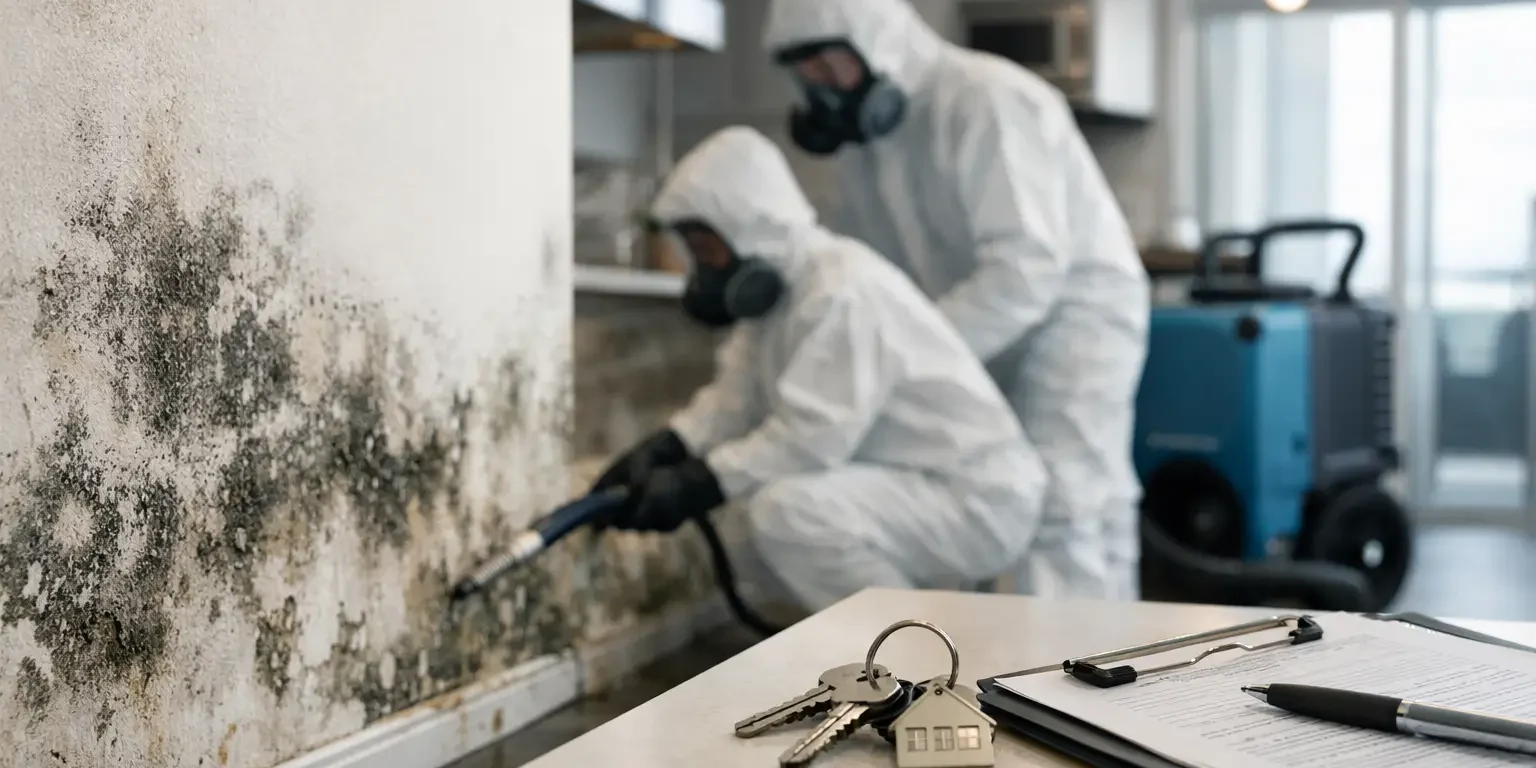
A dark patch beneath a bathroom vanity or a musty odor near an exterior wall can become a much bigger issue in a condominium than in a detached home. Condo mold cleanup may involve your unit, a neighboring unit, common plumbing, the building exterior, or the association’s maintenance responsibilities. The right response begins with identifying where moisture came from, not simply removing what is visible.
Not all mold growth presents the same level of concern, and not every stain is active mold. Still, visible growth, recurring odors, recent water damage, or unexplained respiratory irritation deserve timely attention. Waiting allows moisture problems to affect drywall, flooring, cabinetry, insulation, and indoor air conditions – often increasing the scope and cost of repairs.
Why Condo Mold Cleanup Is Different
A condominium shares systems that a single-family home does not. Water can travel through pipe chases, wall cavities, stacked bathrooms, roof assemblies, exterior facades, and HVAC components before it becomes visible inside one unit. That means the spot where mold appears is not always where the water problem started.
For example, mold around a ceiling vent may be related to roof leakage, condensation from improperly insulated ductwork, or a bathroom exhaust issue in another part of the building. Mold beneath kitchen flooring may trace back to a slow supply-line leak, a dishwasher connection, or water intrusion from a neighboring unit. Treating only the affected surface without tracing the moisture pathway creates a high risk of recurrence.
Responsibility also depends on the condominium declaration, bylaws, insurance policies, and the location of the failed component. Unit owners are often responsible for finishes and conditions within their unit, while the association may be responsible for common elements such as roofs, exterior walls, shared plumbing risers, or building mechanical systems. There is no universal rule. Documentation and a clear diagnosis matter before anyone assigns fault or authorizes major work.
First Steps When You Find Mold in a Condo
Act quickly, but do not rush into demolition or aggressive cleaning. Photograph the affected area, note when you first noticed it, and document any recent leaks, overflows, storms, plumbing repairs, or humidity problems. If water is actively entering the unit, stop it if safe to do so and notify building management immediately.
Avoid spraying a large affected area with bleach or covering it with paint. These shortcuts may change its appearance temporarily, but they do not correct moisture in porous materials or behind walls. Scrubbing can also disturb spores and spread contamination to other areas when containment is not in place.
Notify the property manager or association in writing, especially when the source may involve a common element, another unit, or shared plumbing. Keep communications factual: describe the location, visible condition, odor, known water event, and any steps already taken. This protects your ability to coordinate repairs and supports an insurance claim if one becomes necessary.
If the affected area is small, dry, and clearly caused by a minor surface condensation issue, cleaning may be appropriate after the humidity problem is corrected. If growth is extensive, materials are water-damaged, the odor persists, or the source is uncertain, bring in a qualified mold professional. A proper evaluation is usually less expensive than removing the wrong materials, missing a hidden leak, and paying for the job twice.
A Proper Condo Mold Cleanup Process
Professional cleanup is a controlled process, not a quick cosmetic treatment. The scope should reflect the size of the affected area, the materials involved, the likelihood of hidden growth, and whether occupants may be exposed during work.
1. Identify and correct the moisture source
The source must be addressed before remediation begins or at the same time through coordinated repairs. This can mean repairing a plumbing leak, correcting a roof or facade intrusion, improving bathroom ventilation, resolving condensation, or drying materials after a water event.
In a condo building, this stage may require communication between the unit owner, association, maintenance staff, plumber, roofer, and remediation contractor. The work moves faster when everyone understands that source correction is not optional. Removing mold while water continues to enter the building is not remediation.
2. Define the actual extent of contamination
Visible growth is only part of the picture. A trained inspector evaluates adjacent materials, moisture readings, building conditions, and likely water pathways. In some cases, targeted sampling can help answer a specific question, particularly when there is a persistent odor, an unclear source, or concern about conditions beyond what can be seen.
Testing is not a substitute for inspection. If obvious mold growth and moisture damage are present, the primary need is to find the cause and create a defensible cleanup plan. Testing is most useful when it informs a decision, rather than being used to create unnecessary alarm.
3. Contain the work area
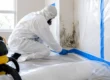
Containment protects the rest of the unit and shared building areas while damaged materials are removed. Depending on the scope, this may include sealed barriers, controlled entry, negative air equipment, and measures to prevent dust from moving through hallways or HVAC pathways.
This is one reason condominium projects require careful planning. Residents may still need access to common corridors, elevators, stairwells, and adjacent units. A contractor should coordinate work hours, debris removal routes, and building rules with management rather than treating the property like an isolated house.
4. Remove damaged materials and clean remaining surfaces
Porous materials that have supported significant mold growth, such as wet drywall, insulation, carpet padding, or particleboard cabinetry, may need removal. Nonporous and semi-porous materials can often be cleaned when they remain structurally sound and can be fully dried.
The goal is not to make a surface look clean. It is to remove contamination using appropriate methods, eliminate debris, and leave the area dry and ready for repair. The right approach depends on the material, the severity of damage, and the water source. Over-removal wastes money, while under-removal leaves compromised materials behind.
5. Verify that the area is dry and ready for restoration
Before walls are closed or new flooring is installed, the affected structure should be evaluated for dryness and cleanliness. Rebuilding too soon can trap moisture inside a wall or floor assembly and set up another mold problem.
For larger or more complex projects, an independent post-remediation evaluation may provide added assurance that cleanup objectives were met. This can be particularly useful when an association, insurer, buyer, or property manager needs written documentation.
Who Pays for Condo Mold Cleanup?
The answer depends on the source, governing documents, and insurance coverage. If a unit owner’s appliance leak causes damage inside that unit and below, the owner’s policy may be involved. If water enters through a common roof or a failed shared pipe, the association may have responsibility for the repair of that component. Interior finishes and personal property can be treated differently from the building structure.
Do not assume that responsibility for the leak automatically determines responsibility for every repair. Condo policies often have deductibles, exclusions, and limits, while association policies may distinguish between common elements and unit improvements. Notify your insurer promptly, provide documentation, and ask the association for the relevant sections of its maintenance and insurance provisions.
A clear remediation protocol can reduce disputes because it separates the facts from assumptions: where moisture originated, what materials were affected, what must be removed, and what repairs are needed to prevent recurrence.
Warning Signs That Require a Faster Response
Some condo mold concerns should not wait for the next board meeting or routine maintenance visit. Arrange prompt professional assessment when you notice any of the following:
- Water stains that continue to expand or reappear after drying
- A persistent musty odor with no obvious surface cause
- Visible growth after a leak, flood, roof event, or plumbing failure
- Soft drywall, buckled flooring, swollen baseboards, or deteriorating cabinetry
- Mold around HVAC components, shared utility spaces, or ventilation openings
- Repeated moisture complaints in stacked kitchens, bathrooms, or neighboring units
Occupants with asthma, allergies, respiratory sensitivities, or weakened immune systems may choose to avoid the affected area until it is assessed. The practical focus should remain the same: limit exposure, control moisture, and use qualified professionals for work beyond a minor surface issue.
Choosing the Right Contractor for Condo Mold Cleanup
Condo remediation requires more than a contractor who can remove drywall. Ask how the company identifies the moisture source, whether it provides a written scope or remediation protocol, how it protects common areas, and how it verifies drying before reconstruction. Confirm that the contractor carries appropriate insurance and follows recognized industry procedures for containment and cleanup.
Be cautious of companies that diagnose a major crisis before inspecting the property or that promise a universal solution without discussing the water source. A credible specialist explains what is known, what still needs verification, and why each recommended step is necessary. Certified Mold Removal Inc. approaches mold concerns with that discipline: evaluate first, correct the cause, then complete controlled cleanup designed to protect occupants and the property.
A condo is a shared building, but protecting your unit should not become a shared guessing game. Document the condition, involve management early, and insist that the moisture source is resolved before restoration begins. That is how a disruptive mold issue becomes a manageable repair instead of a recurring problem.