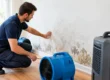
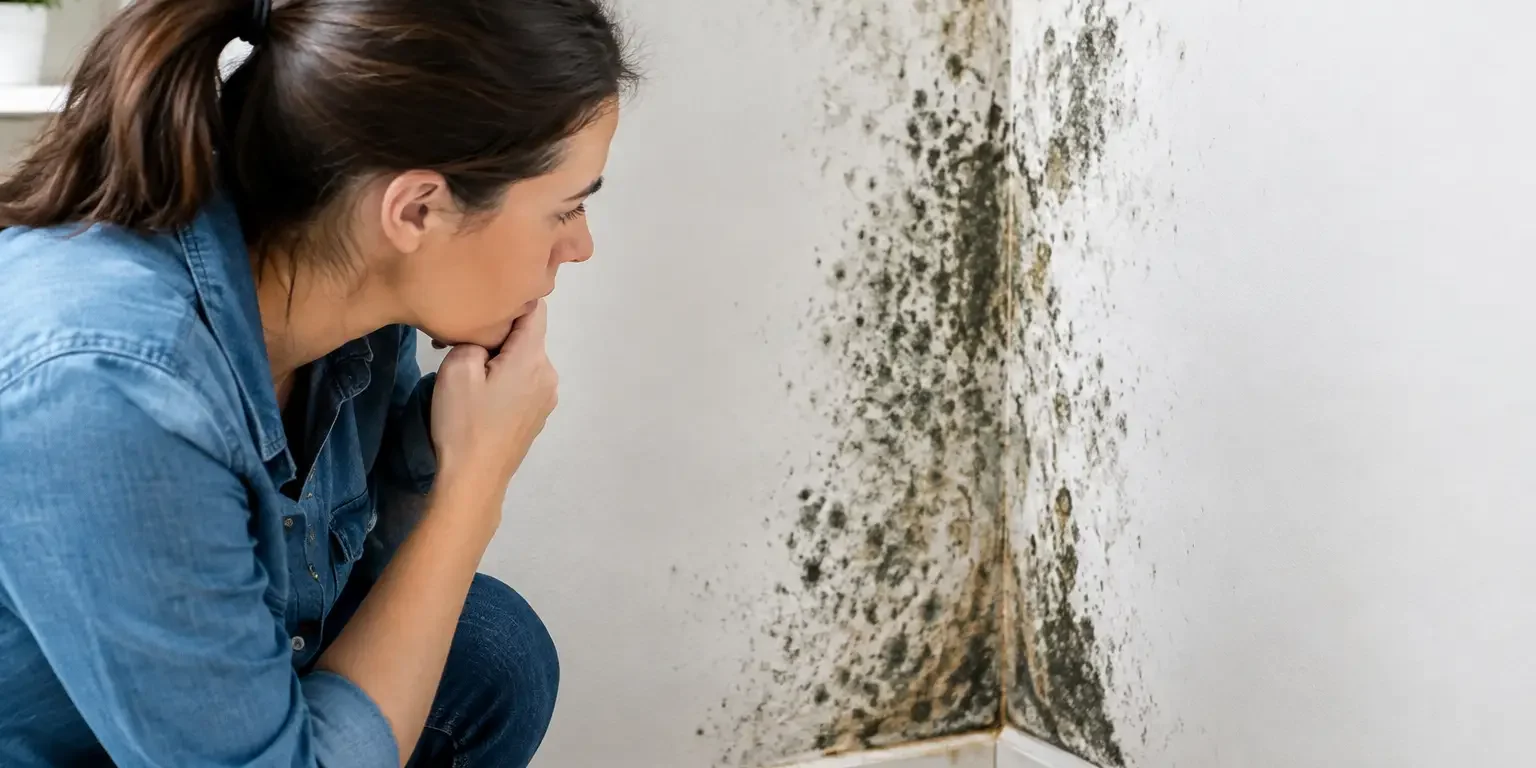
A wall can look clean on Friday and show dark spotting again two weeks later. When people ask why mold returns after cleanup, the answer is usually not that the cleaner failed to kill every visible speck. Mold comes back because the moisture source, contaminated material, or hidden growth behind the surface was never fully addressed.
That is frustrating, but it is also useful information. Recurring mold is a building-condition problem that needs a diagnosis, not another round of surface spray. The right response is to identify where moisture is entering or collecting, determine how far contamination extends, and remove or clean materials using a controlled process appropriate to the affected area.
Why Mold Returns After Cleanup
Mold needs moisture, a surface it can use for food, and time. Homes and commercial buildings provide plenty of organic material in drywall paper, wood framing, carpeting, dust, insulation, and stored belongings. Remove the moisture condition, and you remove the reason mold can continue growing.
The most common reason for regrowth is that a leak, humidity issue, or condensation problem remains active. A slow plumbing leak inside a wall, a roof leak above a ceiling, or water entering around a window can keep materials damp long after the visible stain has been wiped away. In basements and crawl spaces, high humidity alone can be enough to support recurring growth on framing, stored items, or finished surfaces.
Cleanup that focuses only on what is visible can also miss growth on the reverse side of drywall, under flooring, inside wall cavities, or around HVAC components. Mold does not always grow in the open. A musty odor, peeling paint, recurring stains, warped materials, or symptoms that appear only in one room can all point to moisture or contamination that has not been located.
Surface Cleaning Is Not Always Remediation
Cleaning is appropriate for some small, limited areas on hard, nonporous materials when the moisture source has been corrected. But surface cleaning is not the same as mold remediation.
Porous materials can hold contamination below the surface. Drywall, insulation, ceiling tiles, carpet padding, and particleboard may not be reliably restored with household cleaners once they have been significantly affected. Applying bleach or another chemical to a stained area may lighten the appearance, but it does not repair wet building materials or remove growth concealed behind them. It can also create false confidence while the underlying problem continues.
A proper remediation plan considers the material, the size of the affected area, how long moisture has been present, and whether there is a risk of disturbing spores into occupied areas. The goal is not to make a stain disappear. The goal is to return the affected area to a clean, dry condition without spreading contamination through the property.
The moisture problem may be intermittent
Some water problems are easy to miss because they do not happen every day. A roof may leak only during wind-driven rain. A bathroom exhaust fan may be undersized or vent improperly, allowing moisture to collect after repeated showers. Condensation may form on cold pipes or exterior walls only when temperatures drop.
This is why a room can seem dry during a quick visual check and still support mold growth over time. Experienced inspection looks beyond the current appearance. It examines moisture patterns, building conditions, previous water events, and the locations where water is most likely to travel or remain trapped.
Drying was incomplete or started too late
After a flood, plumbing failure, appliance leak, or storm intrusion, materials may look dry before they are dry enough. Moisture can remain under flooring, within wall assemblies, beneath cabinets, and in insulation. If drying equipment is removed too soon, the remaining moisture can support mold growth days or weeks later.
Speed matters after water damage, but so does verification. Drying should be measured rather than guessed. Depending on the situation, that can mean checking materials with moisture meters, monitoring humidity, and confirming that the source of water has been stopped before repairs close the area back up.
Common Cleanup Mistakes That Lead to Regrowth
Recurring mold is often linked to a well-intentioned shortcut. Homeowners and maintenance teams may need a fast answer, especially when a tenant, employee, or family member notices a musty smell. But rushing to paint, caulk, or spray over the area can make a later repair more complicated.
Several mistakes appear again and again:
- Painting or sealing over staining before the material is dry and the cause is corrected.
- Removing damaged material without containment, which can spread dust and spores to nearby rooms.
- Replacing drywall, flooring, or trim before checking the cavity or subfloor behind it.
- Treating humidity as a comfort issue rather than a moisture-control issue.
- Hiring a contractor who repairs the visible damage but does not investigate the source.
Not every small spot requires a major project. On the other hand, a repeated problem should not be handled as though it were a one-time surface stain. The right scope depends on the findings, not on the most alarming sales pitch or the cheapest quick fix.
Hidden Moisture Is Often the Real Issue
In New Jersey and the surrounding region, seasonal humidity, basement moisture, aging plumbing, roof wear, and wind-driven rain can all create conditions that lead to repeated mold concerns. Finished basements are particularly vulnerable because carpeting, wall finishes, furniture, and stored belongings can conceal moisture after a seepage event.
Bathrooms, laundry rooms, kitchens, and utility areas deserve close attention as well. A small supply-line leak, loose appliance connection, or inadequate ventilation can wet materials gradually enough that occupants do not notice until odor or discoloration appears.
For property managers and business owners, recurring mold may be tied to a larger maintenance issue such as roof drainage, facade leaks, condensate management, or an HVAC imbalance. These cases require coordination. Remediation should proceed alongside source correction so the building is not cleaned on one side while moisture continues entering on the other.
How a Professional Investigation Prevents a Repeat Problem
A qualified mold inspection begins with facts, not assumptions. The process should include a visual assessment, moisture investigation, a review of the property’s water history, and attention to areas adjacent to visible damage. Where conditions warrant it, targeted sampling can provide additional information. Testing is a tool, not a substitute for identifying and correcting moisture.
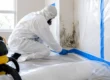
From there, a written remediation protocol defines the work needed for the conditions found. It should address containment, protection of unaffected areas, removal or cleaning methods, drying, and the repair sequence. This level of planning matters because it prevents a common failure: disturbing contaminated material before the work area is properly controlled.
Certified Mold Removal Inc. approaches remediation as a full-cycle process: diagnose the source, establish the proper scope, correct the moisture condition, and perform cleanup using standards-based procedures. That approach is designed to protect occupants and prevent unnecessary work, not create fear. Not all mold conditions present the same level of concern, but recurring mold always deserves a credible explanation.
Verification is part of a complete job
A remediation project is not complete merely because the visible growth is gone. The area should be dry, affected materials should be addressed appropriately, and the original moisture source should be repaired or controlled. In certain situations, post-remediation verification may be appropriate to evaluate whether cleanup goals were achieved.
The need for verification depends on the size and complexity of the project, the building use, the occupants, and the history of the problem. A small, isolated issue is different from recurring growth in a multi-unit property or a commercial space with ongoing humidity concerns. A qualified professional should explain what is necessary and why.
What to Do When Mold Comes Back
If mold has returned, avoid repeatedly scrubbing the same area without investigating what is feeding it. Take note of when it appears, whether it follows rain or plumbing use, whether the room feels damp, and whether there is a persistent odor. Avoid disturbing large or hidden areas until the source and scope are understood.
Then arrange a professional assessment that focuses on moisture first. Ask how the investigator will identify hidden water, whether a written scope will be provided, how unaffected areas will be protected, and what confirms that the underlying condition has been corrected. Clear answers to those questions are more valuable than a promise to simply make the stain disappear.
Mold that returns is your property telling you that something remains unresolved. Address the moisture, verify the scope, and use a controlled remediation process so the next repair has a real chance to last.