
A five-star rating does not tell you whether a contractor found the moisture source, used proper containment, or left contaminated material behind. Mold contractor reviews are useful, but only when you read past the star count and look for evidence of a disciplined, safety-first process. When indoor air quality, tenant safety, or property damage is involved, the lowest price or most enthusiastic testimonial should never be the deciding factor.
What Mold Contractor Reviews Should Actually Tell You
The most helpful reviews describe what happened before, during, and after the work. A homeowner who says the crew arrived quickly is sharing useful information. A property manager who explains that the contractor identified a hidden plumbing leak, documented the scope, protected unaffected areas, and communicated clearly throughout the project gives you much more.
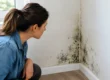
Look for specifics about diagnosis. Mold growth is usually a symptom of excess moisture, water intrusion, condensation, or poor humidity control. A contractor should not jump straight to removal without investigating why the growth occurred. If a review repeatedly mentions that the company located and explained the source of the problem, that is a strong sign of professional practice.
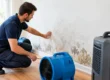
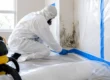
Also pay attention to how reviewers describe the work area. Proper remediation is not simply spraying a product on a stained wall. Depending on the extent and location of the contamination, the work may require controlled containment, removal of affected porous materials, HEPA filtration, detailed cleaning, and verification that the space is ready to return to normal use. The right approach depends on the property and the conditions found, but a credible contractor will explain the reasoning behind it.
Read for Process, Not Just Praise
Short reviews such as “Great job” or “Nice people” are not worthless, but they do not answer the questions that protect your building and your budget. Read the detailed reviews first, especially those written by customers with a similar problem: a flooded basement, recurring bathroom growth, a roof leak, damp crawlspace, musty office, or tenant complaint.
Strong reviews often mention clear scheduling, respectful crews, photo documentation, written findings, and a realistic explanation of cost. They may also describe how the contractor coordinated with a plumber, roofer, restoration company, or property representative to make sure the moisture source was addressed. That coordination matters. Cleaning visible growth without correcting the underlying condition can lead to a frustrating and expensive repeat problem.
Be cautious when every review uses nearly identical language or focuses only on fear. Mold concerns deserve prompt attention, particularly when people are experiencing persistent odors, visible growth, or moisture damage. Still, not every discoloration is a severe contamination event, and not every condition requires the same level of work. A qualified professional should make recommendations based on the facts of your property, not pressure you into the largest possible project.
Details that carry real weight
When comparing reviews, give extra credibility to comments that address these practical points:
- The contractor performed an inspection before recommending a scope of work.
- The customer received a written explanation of findings, recommendations, or a remediation protocol.
- The crew controlled dust and protected clean areas during the project.
- The contractor communicated changes in scope or cost before moving forward.
- The moisture source was identified or the customer was clearly told what needed correction.
- The reviewer reports that the company remained responsive after the work was complete.
No review needs to contain every detail. Customers are not environmental professionals, and many will understandably focus on courtesy and speed. But when similar process-based comments appear across multiple reviews, they create a more reliable picture than a high rating alone.
Watch for Red Flags in Mold Remediation Reviews
A few negative reviews do not automatically disqualify a contractor. Construction-related work can involve unexpected damage behind walls, delayed access to a unit, insurance complications, or a moisture issue that was not visible on day one. What matters is the pattern and, when available, the company’s response.
Repeated complaints about vague estimates, surprise charges, missed appointments, or lack of documentation deserve attention. So do reviews suggesting that a contractor declared a major hazard without testing, inspection findings, or a clear explanation. Fear-based sales language may create urgency, but it is not a substitute for competent evaluation.
Another concern is a contractor who promises to remove every mold spore from a building. Mold spores exist naturally in indoor and outdoor environments. The objective of professional remediation is to correct abnormal moisture conditions, remove or clean affected materials appropriately, and restore the area to a condition consistent with normal indoor environments. Absolute promises are often marketing, not science.
Be equally wary of reviews that celebrate a fast job when there is no mention of source correction or containment. Speed is valuable after water damage or when a business needs to protect operations. However, rushing through the diagnostic and protection steps can create a larger problem. The best contractors are responsive without being careless.
Verify What Reviews Cannot Prove
Reviews are one part of due diligence, not the whole decision. Before authorizing work, ask direct questions and expect direct answers. A professional contractor should be willing to explain who will inspect the property, how the scope will be documented, what standards guide the work, and how occupants and unaffected areas will be protected.
Confirm that the business is properly licensed where required, insured, and able to provide documentation of relevant training and certifications. Certifications do not guarantee perfect work, but they show that a company has invested in recognized safety and remediation practices. Ask whether the proposed work follows applicable IICRC guidance and whether testing or clearance verification is appropriate for your situation.
Testing can be useful, but it is not automatically required for every visible condition. If the source and extent of a small, clearly defined issue are obvious, an inspection and practical remediation plan may be more useful than collecting samples. On the other hand, testing can help when growth is suspected but not visible, when indoor air quality is a concern, when there is a dispute about conditions, or when documentation is needed for a commercial property. A trustworthy contractor will explain that distinction rather than treating testing as a mandatory upsell.
Ask for a written estimate that defines the affected areas, proposed methods, anticipated materials to be removed, and exclusions. If the contractor expects concealed damage may change the scope, that should be stated upfront. Transparency does not mean a contractor can predict every hidden condition. It means they explain what is known, what is uncertain, and how changes will be handled.
Compare Reviews With the Contractor’s Response
The way a company responds to criticism can be as revealing as the criticism itself. A professional response acknowledges the concern, avoids sharing private customer details, and explains what steps were taken to resolve the issue. An argumentative or dismissive pattern should give you pause, particularly when the same complaint appears more than once.
You should also consider how recent the reviews are. A business with excellent feedback from years ago may have changed ownership, staffing, or operating practices. Recent reviews that consistently mention reliable communication, clean work areas, and knowledgeable technicians are generally more relevant to your current decision.
For landlords, commercial owners, and property managers, look for reviews from customers with similar responsibilities. Residential work and occupied commercial remediation can require different scheduling, documentation, access controls, and communication practices. A contractor who understands the need to protect tenants, employees, visitors, and business continuity will often stand out in these accounts.
A Better Way to Make the Final Call
After reading reviews and checking qualifications, speak with the contractor. Your conversation should leave you more informed, not more frightened. You should understand what they observed, what may be causing the condition, what they recommend, and what needs to happen before remediation begins.
For properties in New Jersey, New York, Pennsylvania, or Connecticut, timely evaluation matters when moisture damage is active or conditions are spreading. Certified Mold Removal Inc. approaches these situations with inspection first, source correction before remediation, and standards-based work designed to protect the building and the people inside it.
The right contractor will not ask you to make a decision based on panic or a star rating. Choose the team that can show its process, explain its findings in plain language, and treat your home, tenants, employees, and property as worth protecting.