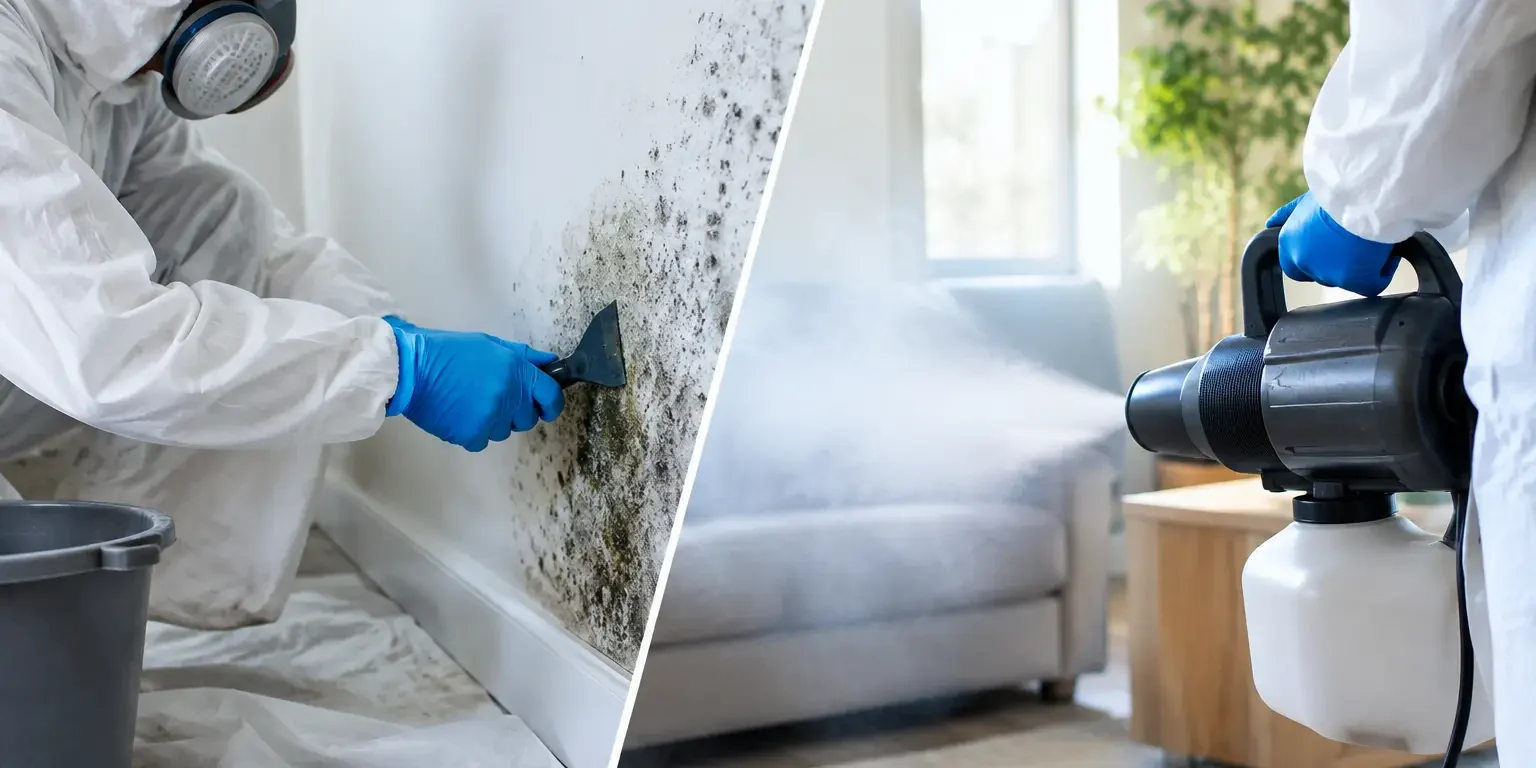
A room can smell clean after fogging and still contain an active moisture problem behind a wall, beneath flooring, or inside an HVAC-adjacent cavity. That is the critical distinction in fogging versus mold remediation. One approach applies a chemical mist. The other identifies what caused the growth, removes contamination using controlled methods, and works to return the affected area to normal indoor conditions.
For a homeowner, property manager, or business owner, the difference affects health concerns, repair costs, tenant confidence, and the likelihood that the problem returns. Fogging may have a limited role in a properly designed cleanup plan. It is not a substitute for professional mold remediation.
Fogging Versus Mold Remediation: The Key Difference
Fogging disperses a liquid treatment into fine droplets. Contractors may use an ultra-low-volume fogger, thermal fogger, or electrostatic application to distribute an antimicrobial, disinfectant, deodorizer, or other product across accessible surfaces and into the air.
This can be appealing because it is fast, visible, and often marketed as a whole-room solution. But a fog cannot reliably penetrate wall assemblies, remove mold embedded in porous materials, or correct the damp conditions that allowed mold to grow. It may reduce odors or treat exposed surfaces, but it does not physically remove contaminated drywall, insulation, carpet backing, or dust.
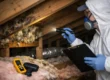
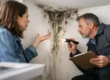
Mold remediation is a controlled process, not a single treatment. It begins with an inspection to identify the moisture source and the extent of suspected contamination. Depending on the situation, qualified sampling and a written remediation protocol may be appropriate. The work then focuses on source correction, containment, removal of affected materials when necessary, detailed cleaning, drying, and verification that the space has been properly addressed.
A simple way to think about it is this: fogging treats what a mist can reach. Remediation addresses the building conditions and materials that are supporting the problem.
Why Fogging Alone Often Falls Short
Mold growth is usually a symptom of excess moisture. A roof leak, plumbing failure, poor drainage, condensation, elevated indoor humidity, or water intrusion after a storm can create the conditions mold needs. Unless that source is corrected, any surface treatment is temporary.
Fogging also does not remove the physical material that may be present. When mold affects porous building products, the roots of the problem can extend below the visible surface. Spraying or fogging over staining may leave contaminated material in place. If the area remains damp, growth can recur even when the original odor seems to have faded.
There is also an indoor air quality concern. Disturbing a contaminated area without proper containment can spread dust and particles to adjacent rooms. A professional remediation plan considers how to isolate the work zone, protect unaffected areas, manage air movement, and clean surfaces after removal. A fogger by itself does none of that.
This does not mean every small spot requires a major construction project. Not all mold is dangerous, and not every discoloration is an emergency. The right response depends on the size of the area, the materials involved, the moisture history, the occupants of the property, and whether the issue appears isolated or hidden. What matters is an accurate diagnosis before anyone promises a cure.
When Fogging May Be Appropriate
Fogging can sometimes be used as a supplemental step, but only after the cause has been addressed and the required cleaning or removal has taken place. For example, a properly selected treatment may be included to address residual odor or as part of a broader cleaning protocol for accessible surfaces.
Its use should be specific, documented, and appropriate for the product and environment. A responsible contractor should be able to explain what is being applied, why it is being used, what it can and cannot accomplish, and whether occupants, pets, or sensitive individuals need to stay out of the treated area for a period of time.
Be cautious when a company offers fogging as the first and only answer to visible growth, recurring musty odors, or water-damaged materials. Fast treatment is valuable after a water event, but speed should not replace investigation. A low upfront price for fogging can become more expensive if the underlying leak, humidity issue, or hidden contamination is left untouched.
What Proper Mold Remediation Looks Like
A standards-based remediation process is tailored to the property rather than sold as a one-size-fits-all package. The work should begin by locating the source of moisture. That may involve examining plumbing, roofing, exterior drainage, ventilation, condensation patterns, crawl spaces, basements, or previous water damage.
Once the scope is understood, the remediation team develops a plan for protecting the rest of the building. Containment barriers and controlled air practices may be used when conditions warrant them. This is especially important in occupied homes, multifamily properties, offices, and facilities where contamination could affect people outside the work area.
Affected materials are then evaluated based on their condition and porosity. Nonporous or lightly affected items may be cleaned using appropriate methods. Materials that are extensively damaged or cannot be effectively cleaned may need to be removed. The team cleans remaining structural surfaces, manages dust carefully, and dries the area to an acceptable condition.
The final stage is not simply spraying a fragrance or repainting a stained wall. The space should be reviewed to confirm that the source has been corrected, the planned work was completed, and the area is ready for repair or normal use. When testing is part of the project, it should support the inspection findings and remediation plan, not serve as a fear-based sales tool.
Questions to Ask Before Approving Fogging
If fogging has been recommended, ask whether the moisture source has been identified and repaired. Ask what materials are affected, whether any hidden areas were evaluated, and how the contractor will prevent dust or contamination from moving into clean rooms.
You should also ask whether fogging is being proposed as a supplement or as the entire solution. A qualified provider will answer directly. They will not claim that every mold issue requires demolition, and they will not suggest that a chemical mist can solve every condition.
Request clarity about the scope of work, including cleaning methods, containment procedures, drying expectations, and any post-work recommendations. Written documentation is especially valuable for property managers, commercial owners, real estate transactions, and insurance-related situations.
Signs You Need More Than a Surface Treatment
Visible growth that returns after cleaning is a strong indication that moisture remains. A persistent musty smell, bubbling paint, warped baseboards, recurring condensation, past flooding, or staining around windows and plumbing fixtures also deserve closer evaluation.
Pay particular attention to areas that are hard to inspect: behind cabinets, below sinks, inside utility rooms, around HVAC components, under flooring, and in basements or crawl spaces. Mold does not need to be obvious to create a property maintenance issue. Conversely, odor alone does not prove mold. This is why trained inspection and, when appropriate, targeted testing are more useful than guessing.
For homes and businesses in New Jersey and surrounding service areas, rapid response after water intrusion can limit the scope of damage. The goal is not to create alarm. It is to stop the moisture, determine what has been affected, and use the least invasive method that safely resolves the actual problem.
Choose Diagnosis Before Treatment
Fogging may make sense in a narrow, supporting role. It should never be used to hide a moisture problem, cover an odor, or avoid the removal and cleaning work a contaminated area requires. The safest and most cost-effective decision is usually the one based on a clear inspection, a defined scope, and proper source correction.
If you are deciding between a quick fogging service and full remediation, start by asking what caused the condition and how the proposed work will prevent it from returning. That answer will tell you far more about the quality of the solution than a fogger ever can.