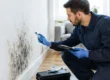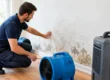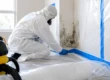
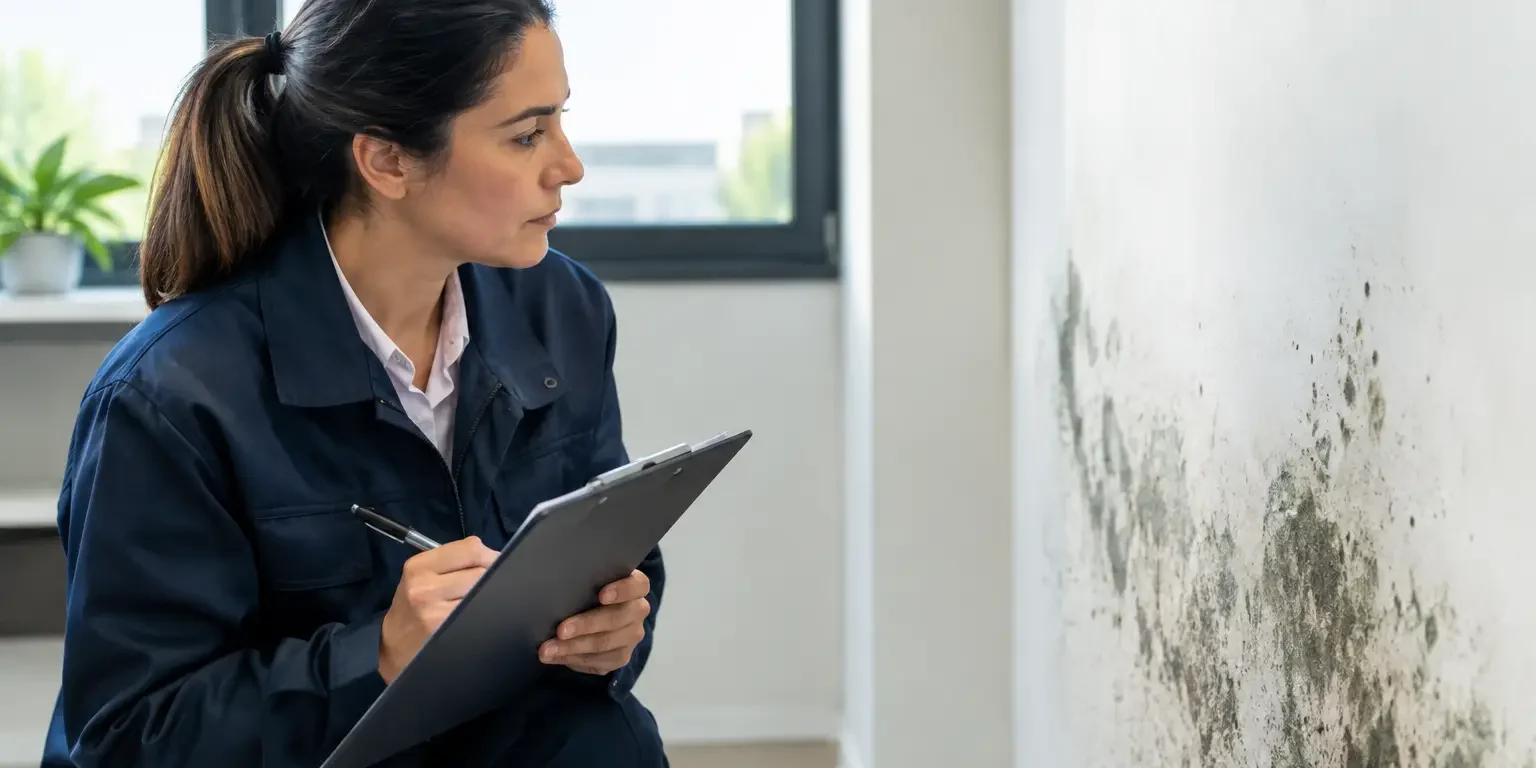
A ceiling stain over a reception desk, a musty odor in a tenant suite, or damp drywall after a plumbing failure can quickly become more than a maintenance issue. A reliable guide to commercial mold compliance helps building owners and property managers protect occupants, document responsible action, and prevent a manageable moisture problem from becoming a disruptive remediation project.
Commercial mold compliance is not a single form or one-size-fits-all certification. It is a disciplined process: identify moisture promptly, assess the affected area correctly, follow applicable workplace and local requirements, use qualified professionals when conditions warrant it, and keep records that show the problem was handled responsibly. The right response protects employees, tenants, visitors, operations, and the long-term value of the property.
What Commercial Mold Compliance Actually Means
Many decision-makers expect a universal federal mold rule that tells every commercial property exactly what to do. In practice, compliance depends on the building, the extent of contamination, occupancy type, local codes, lease responsibilities, insurance requirements, and workplace safety obligations.
For employers, the central obligation is to maintain a workplace that does not expose employees to recognized hazards. For property owners and managers, that duty overlaps with building maintenance, indoor air quality, tenant communication, and prompt correction of water intrusion. Health departments, code officials, insurers, lenders, and tenants may all have separate expectations after a significant water or mold event.
This does not mean every small patch of discoloration requires a major project. Mold is common in buildings where moisture has been present, and not all mold growth creates the same level of risk. The mistake is either ignoring visible evidence or treating every stain as a reason for unnecessary demolition. Compliance starts with an informed assessment, not fear-based assumptions.
Start With Moisture, Not the Surface Growth
Mold needs moisture to grow. If a commercial building has repeated roof leaks, plumbing failures, condensation around HVAC equipment, high indoor humidity, foundation seepage, or poorly dried materials after a flood, cleaning the visible surface alone will not resolve the underlying condition.
The first priority is to stop the source. That may require repairing a roof penetration, replacing a failed supply line, correcting drainage, adjusting ventilation, insulating a condensation point, or dehumidifying an affected space. In occupied facilities, this work should be coordinated carefully so repairs do not spread debris or disrupt critical operations unnecessarily.
Timing matters. Wet materials that are dried quickly are far less likely to develop significant microbial growth. A documented water-response plan should identify who receives after-hours calls, where emergency shutoffs are located, which vendors can respond, and how the organization will protect electronics, inventory, records, and occupied areas.
Build a Defensible Response Record
Good documentation is one of the most practical forms of commercial mold compliance. If a tenant, employee, regulator, insurer, or buyer later asks what happened, the property team should be able to show a clear timeline rather than rely on memory.
For a meaningful event, maintain records that include:
- The date, time, location, and likely source of the water intrusion or complaint
- Photos of affected materials and conditions before, during, and after corrective work
- Moisture readings, humidity data, inspection findings, and any appropriate sampling results
- Work scopes, remediation protocols, clearance documentation, invoices, and repair records
- Communications provided to tenants, employees, vendors, and other relevant parties
These records do more than protect against disputes. They help facility teams identify patterns. Three separate ceiling leaks in the same corridor may reveal a roof-system issue. Repeated odor complaints near a mechanical room may point to an HVAC drainage or ventilation problem that needs a permanent correction.
Know When a Routine Cleanup Is No Longer Enough
Small, localized surface growth on a nonporous material may sometimes be addressed through controlled cleaning after the moisture source has been corrected. Commercial properties become more complicated when growth affects porous materials, occupies a larger area, returns after cleaning, or occurs in spaces with sensitive occupants or essential operations.
Professional assessment is especially appropriate after extensive water damage, when mold is visible inside wall cavities or HVAC components, when there is a persistent odor without an obvious source, or when employees or tenants report recurring indoor air quality concerns. A qualified inspector can determine whether the issue is limited or concealed, identify the moisture pathway, and recommend a scope that fits the actual conditions.
Testing can be useful, but it should answer a specific question. Surface or air sampling may help establish baseline conditions, evaluate a questionable area, or verify conditions after remediation. It should not replace a visual inspection and moisture investigation. A report that lists laboratory results but does not explain where the moisture came from or how it will be corrected leaves the real problem unresolved.
Apply the Right Controls During Remediation
Commercial remediation is not simply a cleaning job. When affected materials must be removed, containment and work practices matter because disturbing growth can spread particles into occupied areas. The appropriate level of control depends on the size of the affected area, material type, building use, occupant sensitivity, and the likelihood of hidden contamination.
A properly managed project may include isolation barriers, controlled access, dust suppression, negative air containment, HEPA filtration, removal of unsalvageable porous materials, and detailed cleaning of remaining surfaces. HVAC systems serving the work area may require special attention so contaminants are not distributed beyond the affected zone.
The trade-off is straightforward: excessive controls can increase cost and downtime, while inadequate controls can turn a contained issue into a larger building-wide concern. This is why written remediation protocols are valuable. They establish the scope, sequence, containment expectations, source repairs, cleaning standards, and verification process before demolition begins.
For larger projects, separation between the assessment function and the remediation contractor can add a useful layer of accountability. An independent protocol or post-remediation evaluation may be particularly helpful when a property is occupied, a tenant dispute exists, insurance is involved, or the project has significant visibility.
Manage Occupants and Business Continuity
Employees and tenants should not learn about a water or mold issue through rumor. Clear, factual communication reduces anxiety and helps management receive useful information from people who use the space every day.
Explain what area is affected, what precautions are being taken, whether access will change, and whom to contact with questions. Avoid making medical claims or promising results that have not yet been verified. Instead, communicate the practical facts: the moisture source is being addressed, qualified professionals are evaluating conditions, and work will be performed under a defined plan.
Some businesses can relocate staff temporarily, schedule work after hours, or isolate a small area with little interruption. Healthcare settings, schools, food-related operations, multifamily common areas, and facilities with vulnerable occupants may require more careful planning. Compliance is not only about the cleanup itself. It is also about making sound operational decisions while the condition is being corrected.
Review Local Requirements Before Work Begins
State and local requirements can vary, particularly for assessment, remediation, contractor qualifications, waste handling, permits, and occupied commercial buildings. A project in New Jersey, New York, Pennsylvania, or Connecticut may involve different rules depending on the property type and scope of work.
Before authorizing a major project, confirm the applicable requirements with qualified environmental professionals, local authorities when needed, legal counsel, and the insurer. Do not assume that a general contractor has the training, insurance, or containment experience required for a mold-related project. Ask who will identify the moisture source, who will write the work scope, what standards will guide the work, and how the final condition will be documented.
Certified Mold Removal Inc. approaches commercial conditions with that same sequence: investigate first, correct the source, establish a written protocol when needed, and perform controlled remediation that supports safe re-occupancy.
Make Compliance an Ongoing Facility Practice
The most cost-effective mold strategy is prevention. Include roofs, plumbing, HVAC condensate lines, exterior drainage, bathrooms, mechanical rooms, and humidity-prone storage areas in regular maintenance reviews. Train staff to report stains, odors, leaks, and condensation early. A small repair completed promptly is usually far less disruptive than an emergency remediation project.
When moisture appears, act quickly, document carefully, and match the response to the conditions in front of you. That measured approach protects people without turning a preventable building issue into a crisis.