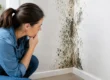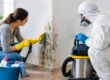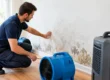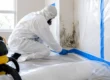
A musty odor after a basement flood, staining near a window, or recurring respiratory irritation can raise a reasonable question: is the air in the building affected? This guide to indoor air sampling explains what air testing can and cannot tell you, and why a careful inspection should come before anyone recommends major cleanup work.
Indoor air sampling is a diagnostic tool, not a stand-alone answer. A properly collected sample can help identify elevated airborne mold spores, compare indoor conditions with outdoor conditions, and support decisions about containment or post-remediation verification. But a clean air sample does not automatically rule out hidden moisture or concealed growth, particularly when a wall cavity, crawl space, or ceiling void is involved.
For homeowners, property managers, and business owners, the right approach is direct: find and correct the moisture source, inspect the affected materials, then use testing when it will answer a specific question.
When Indoor Air Sampling Makes Sense
Air sampling is most useful when there is a defined concern but the extent of airborne impact is unclear. That may include a persistent musty smell with no visible growth, a recent water intrusion, visible staining in one area with concern that spores have moved beyond it, or a complaint from occupants in a commercial building.
Testing can also be appropriate after a plumbing leak, roof leak, appliance overflow, or flooding event when materials remained wet longer than they should have. Mold needs moisture to grow. Sampling may help document conditions, but it does not replace the more urgent task of drying the building and identifying why water entered or remained there.
In some cases, testing is not the first priority. If extensive visible mold is present, materials are wet, or the source of water is obvious, an experienced inspection can often establish that corrective work is needed without delaying action for unnecessary testing. A responsible contractor should explain this distinction instead of using laboratory results to create fear.
Not all mold is dangerous, and mold testing should never be presented as a scare tactic. The relevant question is whether moisture and contamination are affecting the building, the people in it, or the materials that protect the property.
What a Professional Inspection Should Establish First
Before collecting a sample, a qualified inspector should evaluate the building conditions that could be driving the problem. The inspection looks for active or past water intrusion, elevated humidity, condensation, inadequate ventilation, damaged building materials, and visible microbial growth.
The location matters. A damp lower level may be affected by foundation seepage, while discoloration around a bedroom window may point to condensation or an exterior leak. Growth below a bathroom may be tied to plumbing, and a commercial ceiling stain may originate several feet away from the visible damage. Sampling the air without following these clues can produce a report, but not necessarily a useful diagnosis.
The inspection should also establish the scope of the concern. Is the issue isolated to a small, nonporous surface? Has moisture affected drywall, insulation, carpet, or framing? Is there a risk that opening materials will release settled debris into occupied areas? Those answers determine whether containment, controlled removal, and air cleaning may be appropriate.
How Indoor Air Samples Are Collected
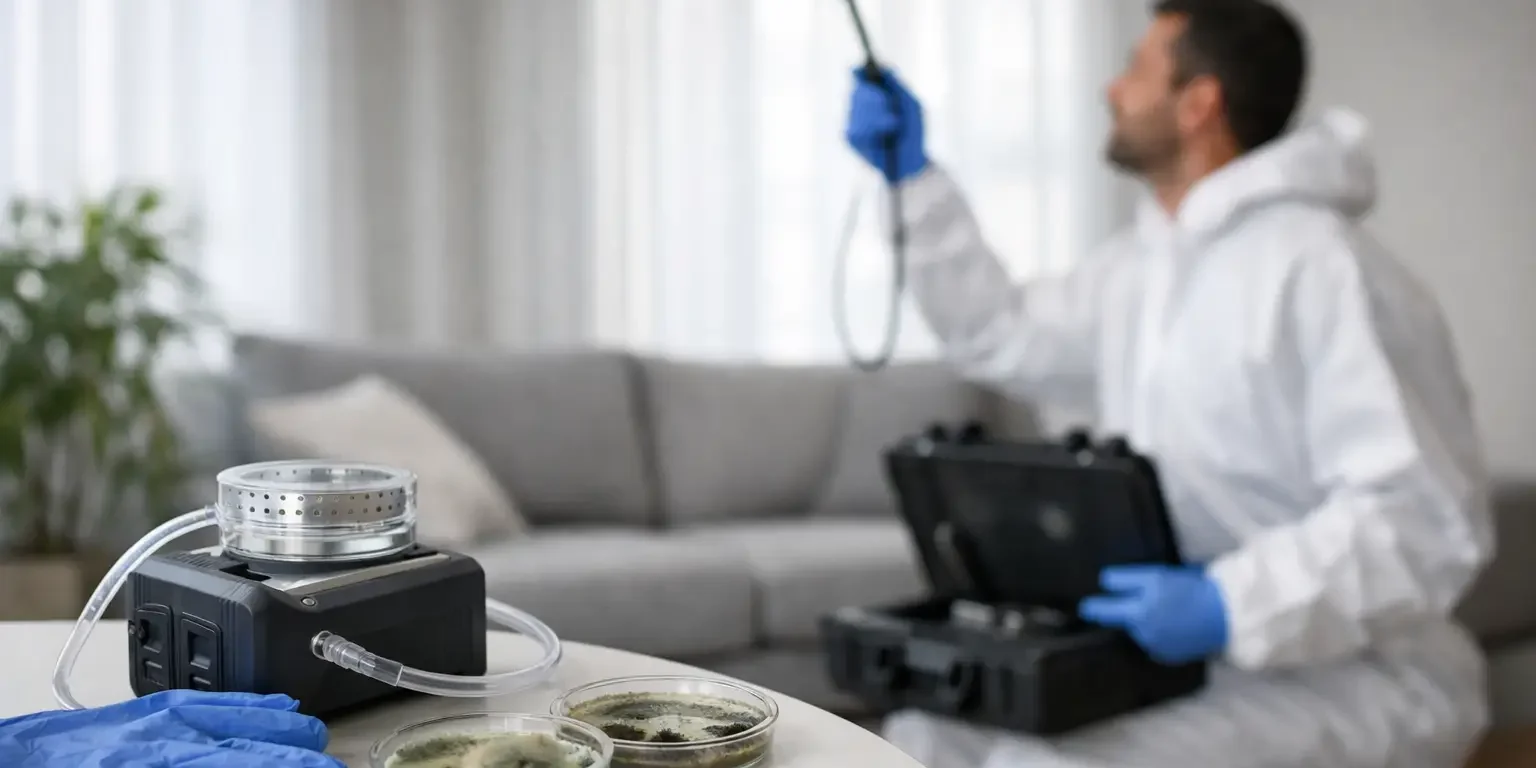
Most mold-related air samples are collected with a calibrated pump that draws a measured volume of air through a specialized collection cassette. The cassette is then analyzed by a laboratory, which identifies and counts categories of spores or fungal structures found in the air.
A typical sampling plan may include an outdoor reference sample and one or more indoor samples. Outdoor air naturally contains mold spores, and the types and amounts change with weather, season, landscaping, and location. Comparing indoor air with a properly selected outdoor reference can provide useful context, especially when indoor spore types or concentrations appear inconsistent with normal outdoor conditions.
The sampling technician should document the conditions at the time of collection. Doors and windows, HVAC operation, recent cleaning, humidity, weather, occupant activity, and the exact sampling location can all affect the result. A sample collected after windows have been open for hours may tell a different story than one collected under normal closed-building conditions.
Air sampling is a snapshot. It captures what was airborne during a brief period, not every condition that has occurred in the building. Spores can settle, airflow can shift, and concealed growth may release little into the room air until materials are disturbed. That is why sample results must be interpreted alongside the inspection findings.
Other Sampling Methods May Be Needed
Air testing is not the only option. Surface samples can help determine whether a visible material has mold-like growth, although they do not measure what occupants are breathing. Bulk samples involve sending a piece of affected material to the laboratory and may be useful when the condition of a specific building material needs confirmation.
Moisture measurements, thermal imaging, and visual evaluation are often just as valuable as laboratory sampling. The best method depends on the question being asked. If the concern is hidden moisture behind a wall, moisture investigation may be more informative than taking a single air sample in the middle of the room.
How to Read Mold Air Sampling Results
A laboratory report may list spore categories, estimated concentrations, and observations for each location. It should not be read as a simple pass-or-fail score. There is no single universal number that proves every building is safe or unsafe.
A qualified professional considers the types of spores found indoors, their relative levels, the outdoor reference, the building history, visible conditions, and the known moisture source. For example, an indoor sample dominated by spore types that are also common outdoors may have a different meaning than an indoor sample showing an unusual pattern in a room with water-damaged drywall.
Low counts are not always a clean bill of health. A hidden problem may be inactive at the time of sampling, sealed inside a cavity, or producing spores that have settled onto surfaces. On the other hand, elevated counts do not automatically identify the precise location of growth. The report is evidence that helps direct the next step, not a substitute for professional judgment.
Be cautious when someone promises that testing alone will diagnose the whole building or claims that every detected spore requires expensive remediation. Indoor and outdoor air both contain naturally occurring mold spores. The issue is whether conditions indicate an indoor moisture problem that requires correction.
Preparing for a Sampling Appointment
Normal building conditions generally provide the most representative sample. Avoid aggressive cleaning, spraying chemicals, running unusual air-cleaning equipment, or opening all windows immediately before the appointment unless the inspector gives different instructions. These actions can temporarily alter what is in the air and make results harder to interpret.
Share the complete history with the inspector. Note when odors began, whether a leak or flood occurred, rooms that feel humid, past repairs, visible staining, and whether occupants notice symptoms in particular areas. For a rental or commercial property, include information about recurring tenant or employee complaints and previous water incidents.
If there is active water intrusion, standing water, a strong musty odor, or rapidly spreading visible growth, do not wait for a lab report before addressing the source. Prompt drying and controlled professional assessment can prevent a limited issue from becoming a larger restoration project.
What Happens After the Results
The appropriate next step depends on the evidence. If inspection and testing indicate no unusual indoor impact, the focus may be on routine moisture control, ventilation improvements, or monitoring a previously wet area. If results support an active moisture-related contamination issue, the work should begin with source correction, followed by a written plan for safe removal and cleaning.
For larger or concealed conditions, proper containment is essential. It helps keep dust and spores from traveling into unaffected rooms while damaged materials are removed. Uncontained demolition, household fans, and casual do-it-yourself tear-out can spread contamination and create avoidable cleanup costs.
After remediation, post-remediation verification may be appropriate when the project involved significant containment, widespread impact, or sensitive occupants. The goal is not to promise a sterile building. It is to confirm that the moisture source was addressed, affected materials were properly handled, the work area is visibly clean, and indoor conditions are consistent with the project objectives.
If a water event or mold concern is affecting your property, act on the building evidence rather than fear. A disciplined inspection and a purposeful sampling plan can provide the clarity needed to protect occupants, preserve the property, and make the right repair the first time.