A contractor who says they can “take care of the mold” without first defining the work in writing is asking you to accept uncertainty where your property and indoor air quality are concerned. Written mold protocol requirements create a clear, accountable plan: what is affected, why it happened, how contamination will be contained, what materials will be removed, and how the area will be evaluated when work is complete.
For homeowners, property managers, and business owners, a written protocol is not unnecessary paperwork. It is the document that separates a controlled remediation project from a cosmetic cleanup that leaves moisture, hidden growth, or cross-contamination behind.
What Is a Written Mold Protocol?
A written mold remediation protocol is a project-specific scope of work prepared after a qualified inspection. It explains the conditions found, identifies the likely moisture source, and sets the procedures needed to correct the source and remediate affected areas safely.
The protocol should not be a generic checklist copied from one property to another. A small, isolated area of surface growth caused by a bathroom exhaust issue calls for a different response than widespread contamination behind finished walls after a plumbing leak. The building layout, occupancy, materials affected, HVAC conditions, and extent of damage all matter.
In some situations, a separate independent assessor may prepare the protocol and verify completion. In other cases, a qualified remediation company may inspect, document conditions, and provide a written scope as part of its service. Requirements can also vary by state, municipality, insurance carrier, lender, or commercial lease. The essential standard is straightforward: the plan must be clear enough that the work can be performed and evaluated without guesswork.
Written Mold Protocol Requirements That Matter Most
A reliable protocol starts with diagnosis, not demolition. Mold needs moisture. If the plan does not address the leak, humidity condition, drainage failure, condensation, or ventilation problem that supported growth, the property remains vulnerable to recurrence.
A documented assessment of affected conditions
The written document should identify the locations inspected, visible conditions, moisture findings, odors, water-damage history, and building materials involved. It should distinguish between confirmed affected areas and areas that require further investigation.
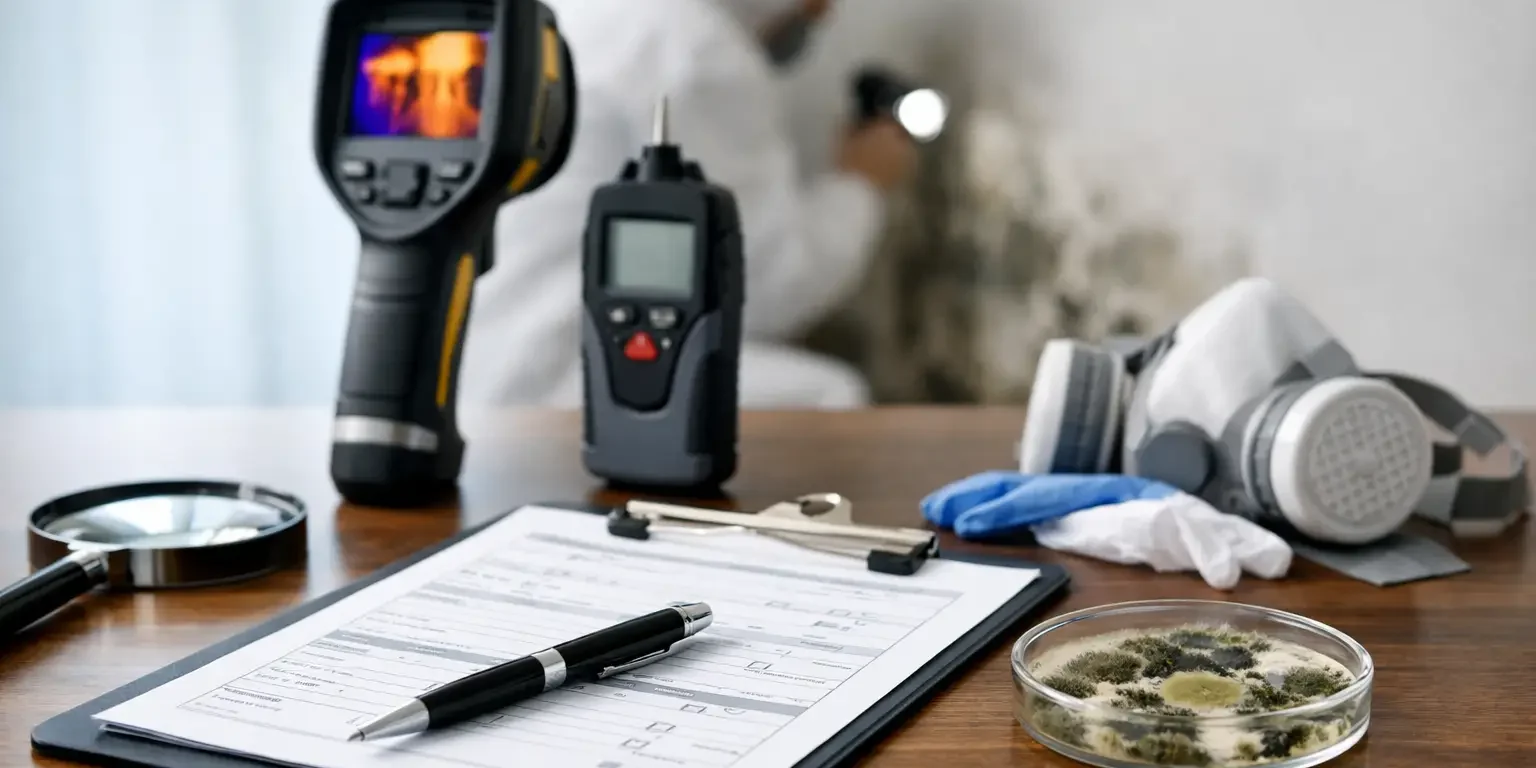
Photographs, moisture readings, diagrams, and sample results may support the assessment when appropriate. Testing can be useful when conditions are hidden, the source is unclear, occupants have concerns about indoor air quality, or documentation is needed for a larger claim or property decision. However, a laboratory result alone does not tell a contractor how to fix a wet wall cavity or stop a roof leak. The physical inspection and moisture investigation remain central.
Identification and correction of the moisture source
Every proper protocol should state what caused or contributed to the condition and who is responsible for correcting it. That may include repairing a plumbing leak, improving drainage, correcting roof damage, addressing condensation, repairing an exhaust system, or controlling elevated humidity.
This is a critical point for property owners. Remediation removes affected material and cleans remaining surfaces, but it cannot substitute for source correction. If water continues to enter the building or humidity remains uncontrolled, new growth can develop after the containment is removed and the job appears finished.
Defined containment and occupant protection
Containment requirements should match the size and location of the project. The goal is to prevent dust and disturbed material from migrating into clean portions of the home or business during removal.
A protocol may specify work-area isolation, sealed barriers, controlled entry procedures, negative air equipment with appropriate filtration, protection of nearby contents, and shutdown or isolation of HVAC components when needed. It should also address occupants. A family living in the home, tenants in an occupied building, employees in an office, and customers in a retail space do not face the same logistical concerns.
There are trade-offs. Larger containment systems and more extensive controls can add time and cost, but reducing controls to make a quote look cheaper can expose unaffected rooms to avoidable contamination. The right approach is proportional to the documented conditions, not based on fear or a one-size-fits-all sales pitch.
Specific removal and cleaning methods
The protocol should identify which materials can be cleaned and which must be removed. Porous materials that are extensively damaged or contaminated may need disposal. Structural components that remain sound may be cleaned using methods appropriate for the surface and condition.
It should also state how materials will be handled, bagged, transported from the work area, and disposed of. Vague language such as “treat mold” or “sanitize the area” is not enough. A property owner should be able to see what will happen to drywall, insulation, carpet, contents, framing, subflooring, or other affected materials.
The plan should avoid relying on coatings, fragrances, or chemical applications as a replacement for removal and physical cleaning. These products may have limited, situation-specific uses, but they do not correct moisture intrusion or remove damaged porous materials. A clean, dry, properly repaired building is the objective.
Drying and environmental control standards
Where water damage is recent or materials remain wet, the protocol should include drying steps and conditions for verifying that moisture levels have returned to an acceptable range. This may involve dehumidification, air movement, controlled temperature, and moisture monitoring.
Drying is especially important in concealed spaces. A wall can look dry from the room side while insulation, sheathing, framing, or flooring layers still hold moisture. Closing a cavity before it is properly dry can create a new problem behind fresh finishes.
Completion criteria and post-remediation evaluation
A written protocol should explain what “finished” means. At minimum, the work area should be visibly clean, free of dust and debris associated with the project, dry, and repaired or ready for reconstruction as defined by the scope.
For larger, sensitive, or heavily documented projects, the protocol may call for a post-remediation evaluation by a qualified third party. This can include a visual assessment, moisture verification, and, when justified, air or surface sampling. Clearance testing is not automatically necessary for every small project, but it can provide valuable documentation when occupants, insurers, property managers, or transaction parties need an objective record.
Who Should Prepare the Protocol?
The person preparing the protocol should understand building moisture dynamics, contamination control, cleaning methods, and the applicable standards of care. Credentials matter, but so does the quality of the actual assessment. A good protocol reflects what was found at your property, not a prewritten template with your address inserted at the top.
For a project where independence is especially important, such as a dispute, major insurance loss, occupied commercial building, or a property transaction, it may make sense to have an independent assessor write the protocol and perform final verification. For more direct residential needs, a certified full-service provider can often move quickly from inspection through remediation while maintaining a documented, standards-based process.
Ask who conducted the inspection, how the moisture source was identified, whether the scope includes source correction, and how completion will be documented. Clear answers are a sign of professional control. Pressure to start demolition before explaining the conditions is not.
Red Flags in a Mold Remediation Scope
Be cautious when a proposal does not identify affected rooms or materials, does not explain containment, or offers a single flat price before anyone investigates the source. The same concern applies when a contractor promises to eliminate every mold particle from a building. Mold exists naturally in the environment. The professional goal is to correct abnormal indoor conditions, remove affected materials where necessary, and return the space to a clean, dry condition.
Another red flag is a scope that focuses only on spraying. Surface application may be presented as a fast answer, but it cannot resolve active moisture or hidden damage. Proper remediation is controlled construction work guided by inspection findings.
What Property Owners Should Keep After the Work
Keep the inspection findings, written protocol, work authorization, photographs, moisture documentation, invoices, and any final evaluation records. These documents can support insurance discussions, future maintenance decisions, tenant communications, and real estate disclosures where applicable.
If you are managing a commercial property, also retain records showing work-area controls, completion dates, and any reopening decisions. Clear documentation helps demonstrate that the condition was handled responsibly and that normal operations were restored with occupant safety in mind.
A written protocol should give you confidence, not confusion. When mold or water damage is suspected, insist on a careful inspection, source-focused recommendations, and a documented plan before remediation begins. That is how you protect the people in the building and avoid paying twice for the same problem.