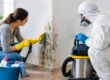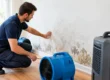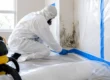

A tenant reports a musty odor after a weekend storm. Another sends photos of spotting beneath a bedroom window. The wrong response is to send someone over with bleach and paint, then wait for the next complaint. This property manager mold guide is built for the moment when a moisture issue becomes an operational, health, and liability concern – and when fast, documented decisions protect both residents and the property.
Mold is not automatically an emergency, and not every dark spot requires a major remediation project. But visible growth, recurring odors, water-damaged materials, or tenant symptoms associated with a damp space deserve a disciplined response. The goal is not to create alarm. It is to identify the moisture source, contain any affected area appropriately, and return the building to normal conditions without spreading contamination or allowing damage to worsen.
Start With the Water, Not the Stain
Mold needs moisture. That simple fact should guide every decision. A maintenance team may remove visible growth from a surface, but the problem will return if a roof leak, plumbing failure, condensation issue, poor drainage, or elevated indoor humidity remains unresolved.
When a report comes in, document the date, unit or room, resident observations, photos, and any known water event. Ask focused questions: When was the odor first noticed? Has the area been wet? Is growth expanding? Is there a leak above, below, or behind the affected surface? Have similar reports occurred in neighboring units?
Then inspect the conditions that could be feeding the problem. Check plumbing connections, exterior openings, HVAC components, window seals, roof areas, bathrooms, kitchens, utility rooms, and any location where water may have traveled. Moisture can move far beyond the point where it first enters. A stained ceiling may originate from a bathroom line two floors above, while mold behind baseboards can follow a minor leak along the edge of a wall.
For property managers, this is where records matter. A clear timeline of the report, inspection findings, repair authorization, and follow-up helps demonstrate responsible building management. It also prevents a recurring issue from being treated as a new, unrelated complaint every few months.
Know When Maintenance Should Stop
Routine maintenance has a role in correcting small, isolated surface conditions after the moisture source has been fixed. It is not a substitute for professional assessment when the situation is concealed, widespread, repeatedly recurring, or connected to significant water damage.
Escalate the matter when growth is inside walls, ceilings, insulation, carpeting, or HVAC-related areas; when porous materials remain wet or damaged; when odors persist without an obvious source; or when occupants report multiple affected rooms. The same applies after a substantial leak, flood, sewage backup, or prolonged humidity event. In these situations, opening materials without containment can release particles into occupied areas and make a contained problem larger.
Do not rely on color to determine severity. Mold cannot be accurately identified as harmless or dangerous by appearance alone, and a photo rarely reveals the full extent of moisture behind finished surfaces. Avoid contractors who diagnose from a picture, promise a cure before investigating, or use fear to sell unnecessary work. Proper diagnosis comes first.
A qualified inspection can identify probable moisture pathways, determine whether targeted sampling is useful, define the scope of affected materials, and produce a written remediation protocol when needed. That protocol gives ownership, maintenance staff, vendors, and residents a common plan rather than a vague instruction to “clean it up.”
Property Manager Mold Guide: Protect Occupants and Operations
Communication should be prompt, factual, and calm. Residents do not need speculation about what is behind a wall, but they do need to know their concern has been taken seriously and what will happen next. Provide reasonable access instructions, explain any temporary precautions, and share the expected schedule for repair or professional assessment.
If an affected area requires containment or removal of materials, coordinate access carefully. Consider residents with respiratory sensitivities, infants, older adults, and anyone who may need additional notice or temporary accommodations based on the work scope. Commercial properties require the same care, with added attention to business continuity, employee access, customer areas, and after-hours scheduling.
The immediate priorities are straightforward: stop active water intrusion, dry affected areas as quickly as possible, restrict unnecessary disturbance, and bring in qualified help when the scope is beyond routine repair. Dehumidifiers and air movement may support drying in the right circumstances, but they are not a universal fix. Improperly directed airflow can move contaminants from an affected space into clean areas.
For multi-family properties in Monmouth County and throughout the region, one report can also signal a building-wide condition. Repeated condensation on similar exterior walls, stacked plumbing leaks, poor bathroom ventilation, or a shared roof defect can affect more than one unit. Look for patterns before treating each complaint as an isolated tenant issue.
Build a Defensible Response Process
A reliable response process reduces downtime and removes guesswork during an urgent call. It should establish who receives tenant reports, who can authorize emergency plumbing or drying work, when a manager must visit the site, and when an environmental specialist is contacted.
Keep the process practical. Your team needs current vendor contacts, after-hours access procedures, unit entry documentation, and a system for storing photos, invoices, reports, moisture readings, repair records, and resident communications. If ownership changes or a claim arises later, these records show what was found, what was done, and whether the underlying source was corrected.
There is a trade-off between speed and certainty. Waiting too long for a perfect diagnosis can allow moisture damage to spread. Acting carelessly can create avoidable disruption or incomplete work. The answer is not to choose one over the other. Take immediate steps to stop water and protect the space, then use a qualified inspection to establish the right scope before demolition or cleanup expands.
A written remediation plan should address containment, removal or cleaning methods, protection of unaffected areas, drying, and post-work conditions. It should also distinguish source repair from remediation. Replacing a leaking supply line is essential, but it does not automatically resolve growth in materials that were wet before the repair. Likewise, removing affected materials without repairing the leak invites the problem back.
Prevent Recurrence Through Building Maintenance
Most mold events are preventable through disciplined moisture management. That does not mean every building can avoid every leak. It means managers can reduce duration, detect warning signs earlier, and correct chronic conditions before they become larger projects.
Review roofs, gutters, downspouts, exterior grading, window and door seals, plumbing lines, mechanical rooms, and ventilation on a schedule that fits the building type and age. Address slow leaks with the same seriousness as obvious failures. A small drip inside a vanity or behind a refrigerator can keep materials damp for weeks without drawing attention.
Humidity deserves equal attention, particularly in basements, laundry rooms, bathrooms, vacant units, and poorly ventilated storage areas. Track recurring condensation on windows, pipes, or exterior-facing walls. It may indicate inadequate ventilation, an air-sealing issue, HVAC imbalance, or indoor humidity that needs correction.
Vacant units need regular checks as well. A leak can continue unnoticed when no tenant is present to report odor, staining, or damp flooring. During turnover, inspect under sinks, around toilets, behind appliances, inside closets on exterior walls, and near HVAC equipment before painting or installing new finishes.
Choose Qualified Mold Help, Not a Quick Cosmetic Fix
When professional remediation is warranted, select a provider that explains the diagnosis, scope, containment approach, and source correction clearly. Ask whether the work follows recognized industry practices, whether technicians are trained for the assigned tasks, and how clean areas will be protected during work. Insurance, licensing where required, and a clear written scope are basic safeguards, not extras.
Certified Mold Removal Inc. approaches these cases by identifying the moisture source before remediation, using standards-based procedures to protect indoor air quality, and providing a defined path from inspection through cleanup. That approach gives property managers a basis for making informed decisions rather than reacting to pressure or alarming claims.
The best time to establish your response process is before the next tenant call. Keep the right contacts, records, and authority levels in place, so a report of dampness receives a controlled response within hours, not a cosmetic fix after the damage has spread.