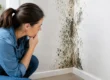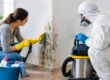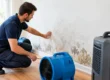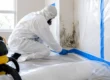
A wet basement wall, a ceiling stain after a roof leak, or dark growth around an HVAC vent can create understandable concern. Safe mold cleanup standards exist to turn that concern into a controlled process, not a panic-driven sales pitch. Not all mold presents the same level of risk, but any active moisture problem and visible growth deserve a timely, technically sound response.
The goal is not to spray a surface until it looks clean. Proper cleanup addresses the moisture source, prevents particles from spreading to unaffected rooms, removes contaminated material when necessary, and confirms the space is dry and suitable for normal use. Skipping any one of those steps can leave a property with recurring growth, lingering odors, and an indoor air quality problem that was never truly resolved.
What Safe Mold Cleanup Standards Require
There is no single one-size-fits-all procedure for every property. The appropriate scope depends on the size of the affected area, the materials involved, the cause of moisture, the building layout, and who occupies the space. A small patch on a nonporous bathroom surface is not handled the same way as widespread growth behind walls after a pipe break.
Still, recognized industry guidance shares a clear foundation: identify the source, correct it, isolate the work area when needed, remove contamination safely, clean remaining surfaces, dry the structure, and evaluate the completed work. Standards-based remediation is deliberate because mold particles can become airborne when contaminated materials are disturbed.
A qualified assessment should begin before demolition or aggressive cleaning. The inspector needs to determine whether the moisture came from a plumbing leak, roof intrusion, foundation seepage, poor drainage, condensation, elevated humidity, or an HVAC-related issue. If that cause remains active, new mold can develop even after an expensive cleanup.
The Scope Must Match the Conditions
Surface area matters, but it is not the only issue. Growth may be visible in one location while moisture has traveled farther inside a wall cavity, below flooring, or above a ceiling. A musty odor, recurring staining, soft building materials, or a history of water damage can indicate hidden conditions that need further investigation.
For limited areas, careful localized work may be appropriate. Larger contamination, hidden damage, projects involving multiple rooms, or spaces occupied by sensitive individuals usually require a more formal remediation protocol. In commercial properties, the plan may also need to protect employees, tenants, customers, inventory, and ongoing operations.
An honest professional should explain the evidence behind the proposed scope. Fear is not a diagnostic method. The right recommendation is based on moisture findings, visible conditions, material type, and the likelihood of concealed impact.
Containment Protects Clean Areas
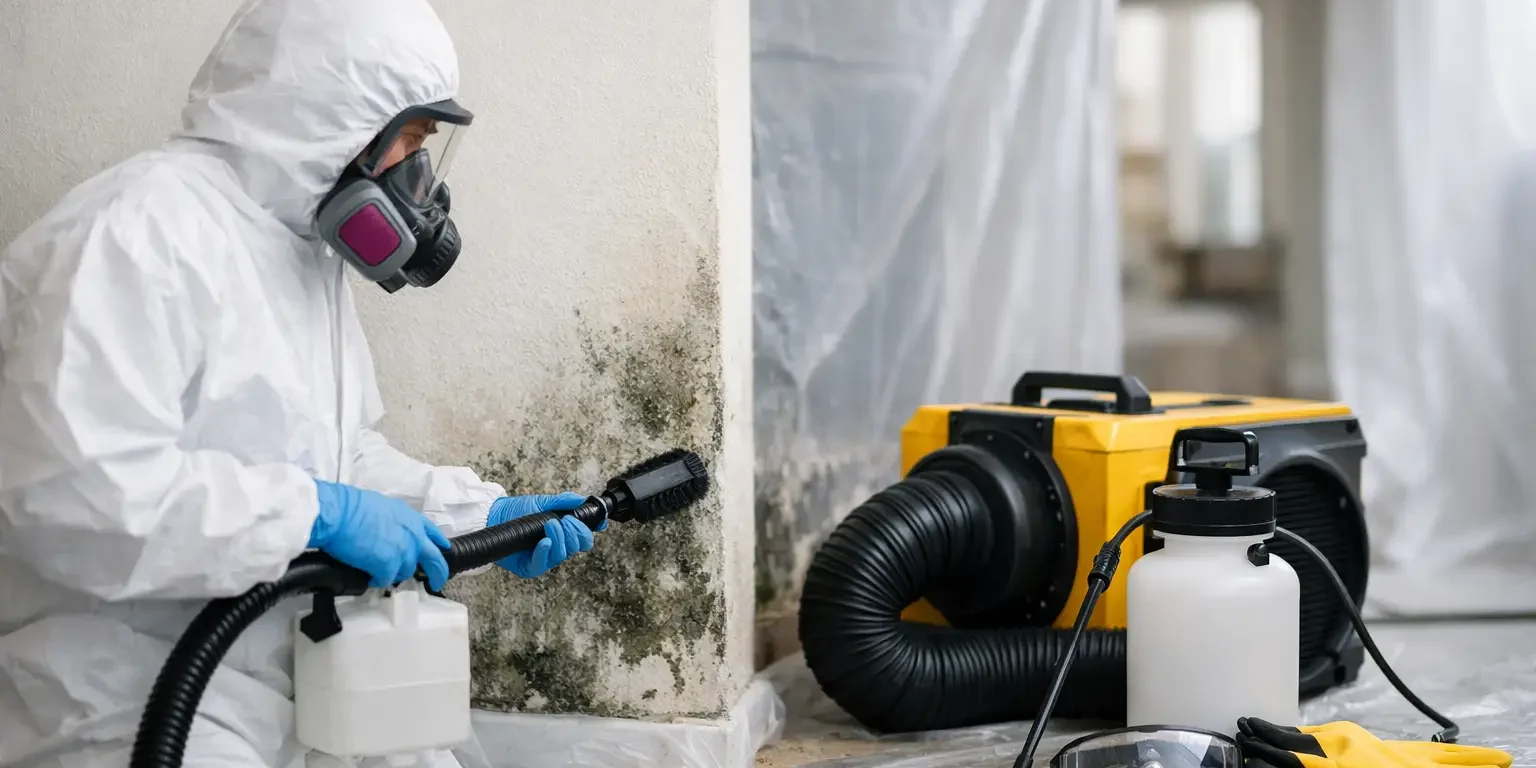
Containment is one of the most important safe mold cleanup standards because it limits cross-contamination during removal. Workers may use durable plastic barriers to isolate the affected zone, seal openings, and establish controlled entry and exit procedures. For more substantial projects, negative air equipment can help keep airborne particles from moving into adjacent rooms.
The level of containment depends on the job. A small, accessible area may not require the same setup as a large wall removal project. However, opening a contaminated wall without protecting nearby living or work areas is a preventable mistake. It can distribute dust and debris far beyond the original problem.
Occupants should not walk through an active work zone, and furniture or belongings near the area should be protected or removed when appropriate. Professional crews also use personal protective equipment suited to the conditions and the tasks being performed.
Safe Mold Cleanup Means Removal, Not Cover-Up
Paint, stain blocker, fragrance, and antimicrobial spray can be useful only in limited, appropriate parts of a properly planned project. They are not substitutes for removing damaged materials or correcting moisture. Covering visible growth without addressing the underlying conditions may make a problem less visible while allowing it to continue behind the surface.
Porous materials such as drywall, insulation, carpet padding, and some ceiling materials may need to be removed if they are significantly affected. Mold can grow into these materials, where surface treatment alone may not be reliable. The removed material should be handled in a way that minimizes debris and particle release.
Nonporous and semi-porous surfaces can often be cleaned if they are structurally sound and the contamination is limited. The specific method depends on the material and condition, but it commonly involves controlled damp wiping, detailed cleaning, and HEPA vacuuming after the surface has been treated and dried. Dry brushing, uncontrolled demolition, and using household fans to blow through a contaminated area can spread particles instead of solving the problem.
Cleaning must extend beyond the obvious growth. Dust and debris generated during removal can settle on ledges, floors, framing, equipment, and contents inside the containment area. A professional final cleaning is detailed work, not a quick visual touch-up.
Drying Is Part of Remediation
Mold needs moisture. That makes drying a core requirement, not an optional finishing step. After the source repair, affected building materials should be brought back to an acceptable moisture condition before walls are closed or new finishes are installed.
This may involve dehumidification, controlled air movement, moisture monitoring, and removal of materials that cannot dry effectively. The correct approach depends on the construction assembly. For example, drying a basement after seepage may require a different plan than drying a kitchen after a supply-line leak.
Humidity control also matters after the cleanup. Bathrooms, laundry areas, basements, crawl spaces, and poorly ventilated rooms commonly develop recurring problems when moisture remains elevated. Exhaust ventilation, drainage corrections, prompt leak repair, and properly maintained HVAC systems all help protect the completed work.
Verification Should Be More Than a Quick Look
A clean-looking wall is a positive sign, but safe mold cleanup standards require more than cosmetic improvement. The remediated area should be free of visible mold growth and debris, dry according to moisture readings, and cleaned thoroughly before containment comes down.
Post-remediation verification may include a detailed visual inspection and moisture assessment. In certain situations, testing can provide useful additional information, especially when there was extensive contamination, a sensitive occupancy, a property transaction, a dispute, or a need for documented confirmation. Testing is not automatically necessary for every small project, and no single sample should be treated as the whole story. It is one tool that should be interpreted alongside the inspection and remediation records.
Documentation is valuable for homeowners and especially important for property managers and business owners. A clear file can include the initial findings, moisture source, remediation scope, photos, equipment records, materials removed, and final verification results. That record demonstrates that the issue was addressed methodically rather than simply hidden.
Warning Signs of an Unsafe Cleanup
Be cautious when a contractor recommends demolition before identifying the moisture source or offers a vague price without defining the work area. The cheapest quote can become the most expensive option when it omits containment, proper cleaning, drying, or source correction.
Watch for these common warning signs:
- A promise to remove all mold without inspecting the moisture conditions or affected materials.
- Fogging or spraying presented as the entire remediation process.
- No containment plan for a project that involves opening walls, ceilings, or flooring.
- No explanation of how the area will be cleaned, dried, and evaluated before reconstruction.
- Pressure to approve major work immediately without written findings or a clear scope.
Urgency is appropriate after active water damage or when growth is spreading, but urgency should never replace process. A reputable provider can move quickly while still explaining what they found, what must be done first, and what the final condition should look like.
A Practical Next Step for Property Owners
If you see growth, smell persistent mustiness, discover water damage, or have occupants reporting concerns in a problem area, avoid disturbing the material until the conditions are assessed. Do not tear into walls, sand affected surfaces, or use fans to force air through the area. If there is an active leak or water intrusion, stop it as soon as it is safe to do so.
For properties in New Jersey, New York, Pennsylvania, and Connecticut, Certified Mold Removal Inc. approaches remediation with the sequence that matters most: diagnosis, source correction, controlled cleanup, and verification. That approach protects occupants while helping prevent an avoidable repeat problem.
A well-managed cleanup should leave you with more than a cleaner-looking room. It should leave you with a dry, controlled space, a clear explanation of what was done, and confidence that the conditions that fed the problem have been addressed.