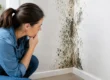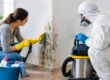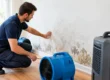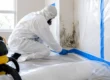
A burst supply line behind a wall, a failed water heater, or a storm-driven basement flood can change the condition of a property in minutes. Water does not stay where it lands. It moves beneath flooring, into wall cavities, through insulation, and under baseboards, creating damage that may not be visible until odors, staining, warped materials, or microbial growth appear. This guide to emergency water extraction explains how to respond quickly without creating additional safety or contamination problems.
The priority is not simply removing standing water. Effective emergency work includes stopping the source, protecting occupants, identifying affected materials, extracting water, drying structural components, and verifying that moisture conditions have returned to an acceptable range. Missing one of these steps can turn a manageable water loss into a much more expensive restoration and mold remediation issue.
What Emergency Water Extraction Actually Involves
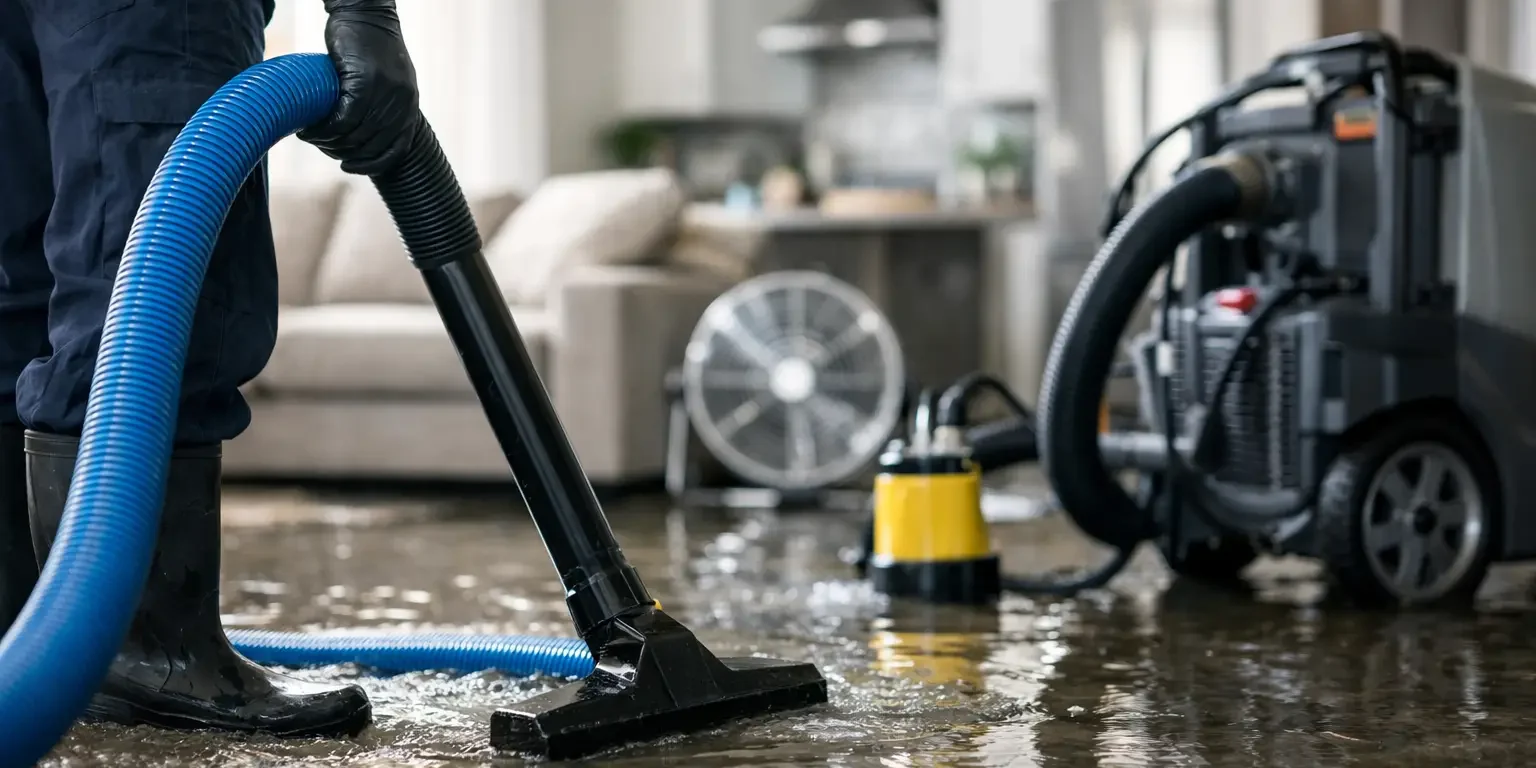
Emergency water extraction is the controlled removal of unwanted water from a building after a leak, overflow, flood, or weather event. Depending on the source and volume of water, the work may involve pumps, commercial extraction equipment, moisture meters, air movers, dehumidifiers, containment, and detailed documentation.
A wet carpet may look like the obvious problem, but it is rarely the only problem. Water can saturate carpet padding, wick into drywall, soak wood framing, collect beneath vinyl or laminate flooring, and enter adjacent rooms through shared walls. In multi-unit properties, it can also travel vertically and affect tenants or businesses below.
The correct response depends on the water source, how long materials have been wet, and what building materials are involved. A clean-water supply-line leak caught immediately is different from a toilet backup, sewage-related event, or exterior floodwater intrusion. Water with potential contaminants requires stricter handling, personal protective measures, and, in some situations, removal of porous materials rather than drying alone.
The First Hour: Protect People and Stop the Damage
Before anyone starts moving furniture or using a wet vacuum, address immediate hazards. If water is near outlets, appliances, electrical panels, or damaged wiring, do not enter the area until electrical risks have been evaluated. Never stand in water to shut off a breaker or handle plugged-in equipment. If the source is a plumbing failure, shut off the local valve or main water supply only if it can be done safely.
Take photographs and short videos before substantial cleanup begins. Documentation can help establish the extent of the loss for insurance purposes and gives restoration professionals a clearer picture of conditions at the start. Then remove items that can be safely relocated, such as dry furniture, documents, electronics, and valuables. Do not drag wet furniture across finished floors, where it can spread water and cause additional damage.
Ventilation can help in limited circumstances, but it is not a substitute for professional drying. Opening windows during dry weather may reduce indoor humidity. During a humid New Jersey summer or after a storm, outside air can add moisture to the property and slow drying. The goal is controlled dehumidification, not simply moving damp air around.
Actions to Avoid During an Active Water Loss
Do not assume that visible water is the full extent of the damage. Avoid using household fans on contaminated water, which can spread particles and odors. Do not remove large sections of wet drywall or flooring before the source, water category, and affected area have been assessed. Unplanned demolition can release dust, damage unaffected materials, and make a proper restoration plan more difficult.
Bleach and fragrance products are also poor substitutes for extraction and drying. They may mask an odor temporarily, but they do not remove water from subfloors, insulation, or wall cavities. Mold prevention begins with moisture control, not with surface chemicals.
Why Fast Extraction Matters
Time changes the restoration strategy. Within the first 24 to 48 hours, wet paper-faced drywall, carpet padding, insulation, particleboard, and other porous materials can deteriorate quickly. Moisture also creates favorable conditions for mold growth, especially in concealed spaces with limited airflow.
That does not mean every water event automatically requires extensive removal or that every sign of mold means a dangerous situation. A qualified assessment should guide the scope of work. The key is to act before materials remain wet long enough for damage and contamination to expand.
Fast extraction protects more than finishes. It can reduce the chance of floor cupping, drywall swelling, adhesive failure, cabinet damage, corrosion, and odor development. For property managers and business owners, prompt action can also reduce operational disruption and help protect adjacent units, inventory, equipment, and tenant spaces.
How Certified Professionals Assess the Loss
A proper emergency response begins with diagnosis rather than guesswork. Technicians identify the water source, determine whether the source has been corrected, inspect all potentially affected areas, and classify the water based on its likely contamination level. They use moisture detection equipment to locate water that is not visible on the surface.
This matters because dry-looking materials are not necessarily dry materials. A baseboard can appear normal while moisture remains behind it. A carpet may feel dry on top while the pad and subfloor remain saturated. Without moisture readings, it is easy to stop drying too early.
Professionals then create a drying plan based on the building assembly and the extent of saturation. Extraction equipment removes as much water as possible at the start. Air movers encourage evaporation from wet surfaces, while dehumidifiers remove that moisture from the air. The equipment must be positioned, monitored, and adjusted carefully. More equipment is not always better if it is placed without a clear drying strategy.
Drying Is Not Complete Until It Is Verified
The end point of water extraction is not when the room looks dry or when a musty odor fades. Drying should be confirmed through repeat moisture measurements and comparison with appropriate dry materials in the same structure. This verification is particularly important around wood framing, subfloors, exterior walls, finished basements, and built-in cabinetry.
If materials cannot be dried safely and effectively, selective removal may be necessary. That decision should be based on the material type, contamination concerns, degree of damage, and drying progress. A responsible contractor will explain why a material can be saved or why removal is the safer option.
When Mold Inspection Should Be Part of the Plan
A mold inspection becomes especially valuable when water was present for more than a day or two, when there is a persistent odor, when materials remained damp in concealed areas, or when occupants report ongoing indoor air quality concerns. It may also be appropriate after an older leak is discovered behind walls, beneath flooring, or under a sink.
Testing is not needed for every small, quickly dried plumbing leak. However, testing and a written remediation protocol can provide clarity when the extent of contamination is uncertain or when a larger residential or commercial loss has affected multiple materials. The purpose is not to create fear. It is to establish what is present, identify the moisture source, and select the right corrective action.
Certified Mold Removal Inc. approaches water-related mold concerns by correcting the source first, then using standards-based containment and cleanup when remediation is warranted. This protects the property without treating every water stain as a reason for unnecessary demolition.
What Homeowners and Property Managers Can Do While Help Is on the Way
If the area is safe to enter and the water source has been stopped, remove small belongings from wet floors and place aluminum foil, wood blocks, or plastic barriers beneath furniture legs when possible. Lift draperies off wet carpet. Collect important papers and photographs, but do not force apart wet books or documents that may tear. Keep records of what was affected and avoid discarding major damaged items until they have been documented.
For commercial properties, notify building management, affected tenants, and maintenance personnel early. Restrict access to wet areas, especially where slip hazards, electrical equipment, or contaminated water may be present. A fast, organized response helps preserve safety and limits disruption.
Do not wait for visible mold before addressing a water loss. The most cost-effective decision is often to extract water, map moisture, and begin controlled drying immediately. When the water is gone, the materials are verified dry, and the source has been corrected, the property has the best chance to return to normal without a hidden moisture problem waiting behind the walls.