A musty odor after a basement leak, dark spotting near a bathroom ceiling, or recurring moisture around windows can make any property owner worry. A certified mold contractor brings order to that uncertainty. The right professional identifies what is actually happening, determines why it happened, and recommends a controlled solution instead of treating every stain as a major emergency.
Mold should be taken seriously, particularly when it follows water damage or affects areas where people live and work. But not every discoloration is mold, not every mold condition requires large-scale removal, and not every contractor has the training to make that distinction. Accurate diagnosis is what protects your indoor environment, your building materials, and your budget.
What a Certified Mold Contractor Should Do First
The first job is not demolition. It is investigation.
A qualified contractor begins by looking for the moisture source that allowed mold to grow. That could be a plumbing leak, roof intrusion, foundation seepage, poor drainage, elevated indoor humidity, condensation, or a past flood that was never dried properly. If that source remains active, cleaning visible growth alone only creates a temporary improvement.
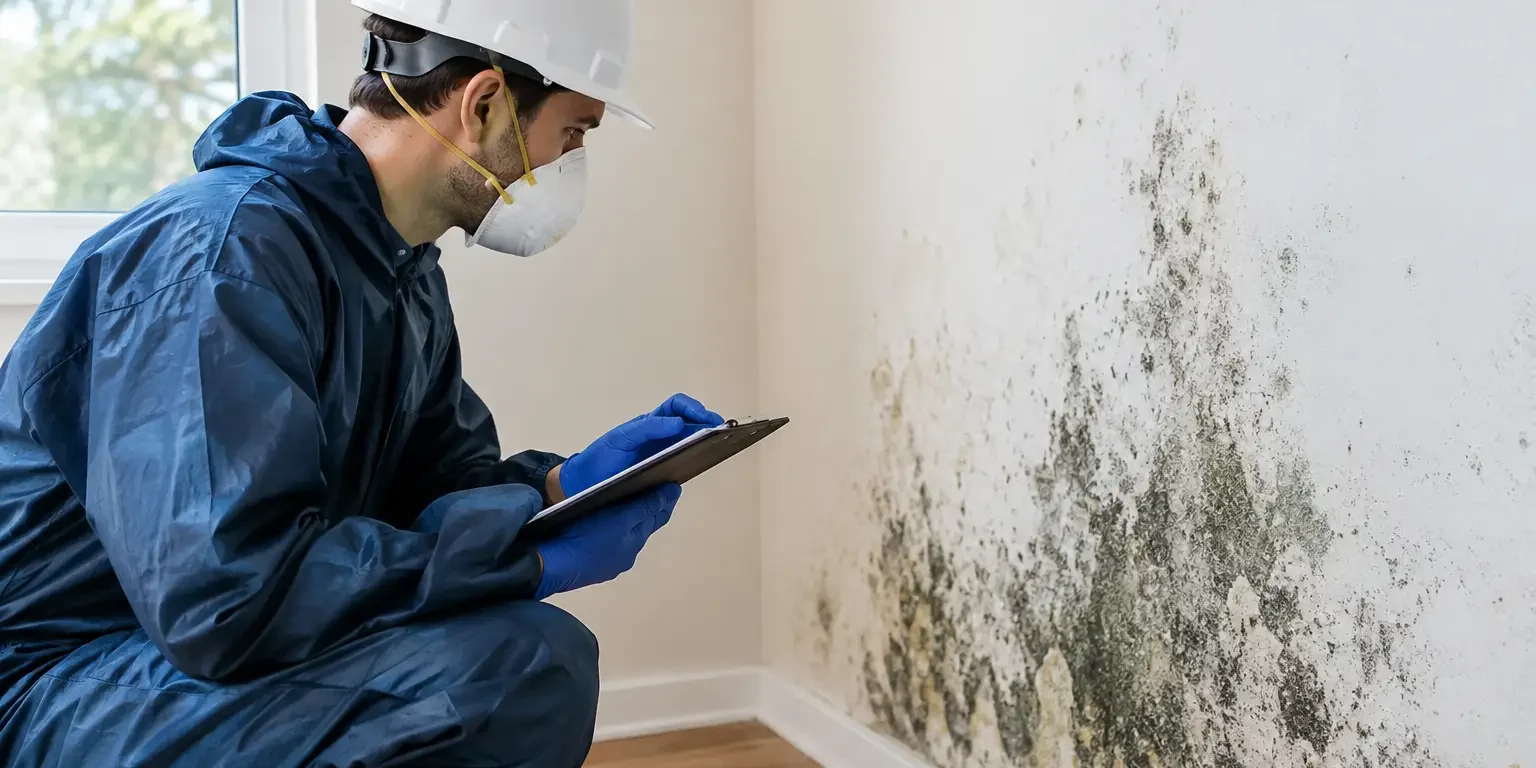
A proper inspection considers the condition of the affected area, the history of water events, ventilation, humidity patterns, and materials involved. Drywall, carpeting, insulation, wood framing, and contents can respond very differently to moisture. The inspection should also consider whether growth may be concealed behind walls, beneath flooring, or inside a mechanical area.
Testing may be appropriate when the source or extent of contamination is unclear, when occupants are reporting persistent indoor air quality concerns, or when documentation is needed for a property transaction, tenant matter, or commercial decision. Testing is a tool, not a substitute for a thorough visual and moisture-focused inspection. A trustworthy professional explains what a sample can tell you and, just as importantly, what it cannot.
Why Certification Matters in Mold Remediation
Mold work is not simply a cleaning service. Improper disturbance can spread particles from one room to another, contaminate contents, and leave hidden moisture unaddressed. Certification and standards-based training help ensure that the work is planned around containment, worker safety, controlled removal, detailed cleaning, and verification of conditions after the job.
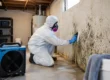
A certified contractor should be able to explain the procedures being used in plain language. For a limited surface condition, the scope may be straightforward. For a larger or concealed issue, the plan may require isolating the work area, using engineering controls to manage airborne dust and particles, removing damaged porous materials, cleaning remaining structural surfaces, and addressing the moisture failure that caused the issue.
Credentials alone are not a guarantee of quality, but they are a meaningful starting point. Ask about relevant training, insurance, experience with comparable projects, and whether the contractor follows recognized industry practices. A professional should welcome these questions. Vague answers, pressure to approve immediate demolition, or claims that every mold condition is dangerous are reasons to pause.
The Difference Between Removal and Remediation
The terms are often used interchangeably, but remediation is the more complete concept. Mold removal refers to taking out contaminated materials or cleaning affected surfaces. Mold remediation includes the broader process: identifying the cause, controlling the work area, removing or cleaning affected materials correctly, drying the structure, and helping return the property to normal indoor conditions.
This distinction matters because mold does not appear without moisture. A contractor who treats the visible growth but ignores a leaking pipe, wet crawlspace, failed flashing, or bathroom ventilation problem has not solved the full problem. The condition may return, sometimes in the same location and sometimes in a concealed area where damage grows unnoticed.
For homeowners, that can mean paying twice. For property managers and business owners, it can mean repeated tenant complaints, damaged finishes, disrupted operations, and avoidable liability concerns. Source correction is not an add-on. It is the foundation of a lasting result.
What the Process Should Look Like
Every property is different, so the scope depends on the size of the affected area, the materials involved, the duration of moisture exposure, and whether the condition is active or historic. Still, a disciplined project generally follows a clear sequence.
First, the contractor documents observed conditions and identifies the likely moisture source. Next comes a written scope or remediation protocol that explains what areas will be addressed, which materials may need removal, what containment measures will be used, and how the area will be cleaned and dried.
During active remediation, the goal is to prevent cross-contamination while the affected area is handled. Contents may need to be protected, moved, cleaned, or evaluated separately. Materials that cannot be reliably cleaned may require removal, while sound structural materials can often be cleaned using methods appropriate to their condition.
After cleanup, the area should be dry and free of visible debris. Depending on the project, post-remediation evaluation or testing may be useful before reconstruction begins. This is especially valuable when the affected area was extensive, enclosed, or connected to a sensitive commercial environment. The point is not to create unnecessary steps. It is to document that the remediation work achieved the intended condition.
Warning Signs You Should Not Ignore
Visible spotting is one signal, but it is not the only one. Persistent musty odors, peeling paint, warped trim, stained ceilings, damp carpeting, condensation, and recurring humidity are all reasons to investigate. So are water events that affected drywall, insulation, cabinetry, or flooring, even if the area looks dry a few days later.
Pay closer attention when moisture returns after repairs. A ceiling stain that reappears, a basement wall that stays damp after rain, or a bathroom fan that cannot keep up with daily use may point to an ongoing building issue. Small conditions are often easier and less costly to correct before they spread.
Occupant symptoms should be handled carefully and without assumptions. Indoor discomfort can have many causes, and no reputable contractor should diagnose medical conditions. However, if people report concerns that consistently improve away from the building, it is reasonable to investigate moisture, ventilation, and indoor environmental conditions promptly.
Questions to Ask Before Hiring a Mold Contractor
Before approving work, ask whether the contractor will identify and document the moisture source, provide a written scope, explain containment procedures, and clarify how materials and contents will be handled. You should also ask what certification or training supports their approach and whether they carry appropriate insurance.
Pricing deserves a direct conversation. A credible estimate explains what is included and what could change if concealed damage is found after access is opened. The lowest quote is not always the best value if it excludes containment, detailed cleaning, drying, or source correction. At the same time, a large estimate should be supported by clear findings, not alarmist language.
For urgent water damage or suspected contamination in New Jersey, New York, Pennsylvania, or Connecticut, response time also matters. Fast action can limit material damage, but speed should not replace careful assessment. Certified Mold Removal Inc. approaches each project with the same priority: diagnose the condition accurately, control it safely, and correct the moisture problem driving it.
When to Call for Professional Help
Call a certified professional when you see spreading growth, smell persistent mustiness, experience a significant water event, discover moisture inside walls or beneath flooring, or need reliable documentation for a property decision. DIY cleaning may be reasonable for a very small, nonrecurring surface issue on a hard material, provided the moisture source has been corrected. It is not a substitute for professional assessment when damage is widespread, concealed, or recurring.
The most useful next step is simple: do not guess, cover it with paint, or let a water problem wait. Get a clear assessment from a qualified professional, ask for the reasoning behind the recommended scope, and make decisions based on facts rather than fear.