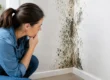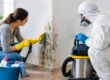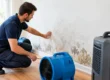
A ceiling stain below an upstairs bathroom, wet carpet near an exterior wall, or a cabinet base that feels soft are not cosmetic apartment problems. Apartment leak remediation begins by stopping the water, identifying where it traveled, and drying the affected building materials before hidden moisture creates a larger indoor air quality and property-damage issue.
For tenants, the right first move is to document the condition and notify property management immediately. For owners and managers, speed matters because water can move behind walls, under flooring, through insulation, and into neighboring units long before the visible damage tells the full story. The goal is not to panic over every damp spot. It is to respond with a controlled, standards-based process that protects occupants and limits avoidable repairs.
Why Apartment Leaks Require More Than Surface Cleanup
An apartment building is a connected system. Water from one failed supply line, overflowing fixture, roof penetration, appliance hose, or HVAC drain can affect multiple units and shared structural cavities. Cleaning the visible water in one apartment may make the space look better, but it does not confirm that concealed materials are dry.
That distinction matters. Porous materials such as drywall, carpet padding, insulation, particleboard cabinetry, and some ceiling materials can retain moisture. If the water source remains active or drying is incomplete, humidity and trapped moisture may support mold growth. Not every water event produces a mold problem, and not every dark mark is mold. Still, guessing is not a remediation plan.
A qualified evaluation helps determine the actual scope: where the leak began, how far water migrated, which materials can be dried, and which materials need controlled removal. This prevents two common and costly mistakes – tearing out more than necessary or leaving damaged material behind because it appears dry on the surface.
The First 24 to 48 Hours Matter
The first day or two after a leak often determine whether the repair remains limited or becomes more extensive. Standing water should be extracted promptly, while wet contents and materials need assessment and targeted drying. Simply opening windows or placing a household fan in the room is rarely enough for a significant leak. It can move humid air without adequately drying the wall cavity, subfloor, or lower layers of flooring.
Professional moisture detection equipment provides a clearer picture than visual inspection alone. Technicians can compare readings across affected and unaffected areas, identify moisture patterns, and monitor drying progress. This is particularly valuable in apartments where access to the source unit, adjacent units, and shared utility spaces may be necessary.
The Apartment Leak Remediation Process
A proper response follows the damage, not assumptions. The exact scope depends on the water source, the amount of time materials remained wet, the affected building assemblies, and whether microbial growth is present or suspected.
1. Stop the source and protect the area
The immediate priority is stopping the active leak. That may involve shutting off a fixture supply, repairing plumbing, addressing a roof or window intrusion, clearing a drain issue, or correcting a mechanical system failure. Remediation should not begin as if drying alone solves the problem. If the source is not corrected, moisture will return.
Next, the affected area is stabilized. This can include protecting furniture, isolating wet areas, and documenting damage for building records or insurance purposes. In multi-unit properties, managers should consider the units above, below, and beside the visible damage, especially when plumbing lines run through stacked kitchens and bathrooms.
2. Inspect, test when appropriate, and define the scope
An inspection should identify visible damage, moisture migration, odors, and conditions that may warrant sampling or a written remediation protocol. Testing is not automatically required for every leak. If there is a small, clean water event that was discovered quickly and thoroughly dried, moisture mapping and documentation may be sufficient.
Testing becomes more useful when occupants report persistent odors or respiratory irritation, when materials were wet for an extended period, when contamination is visible, or when there is disagreement about the extent of a suspected problem. The purpose is to gather evidence and guide decisions, not to use alarming language or sell unnecessary work.
For larger losses or properties with multiple affected units, a written plan is especially valuable. It establishes the work area, containment approach, materials to be cleaned or removed, drying goals, and verification steps. Property managers gain a clear record of what was found and how it was addressed.
3. Remove water and dry the structure
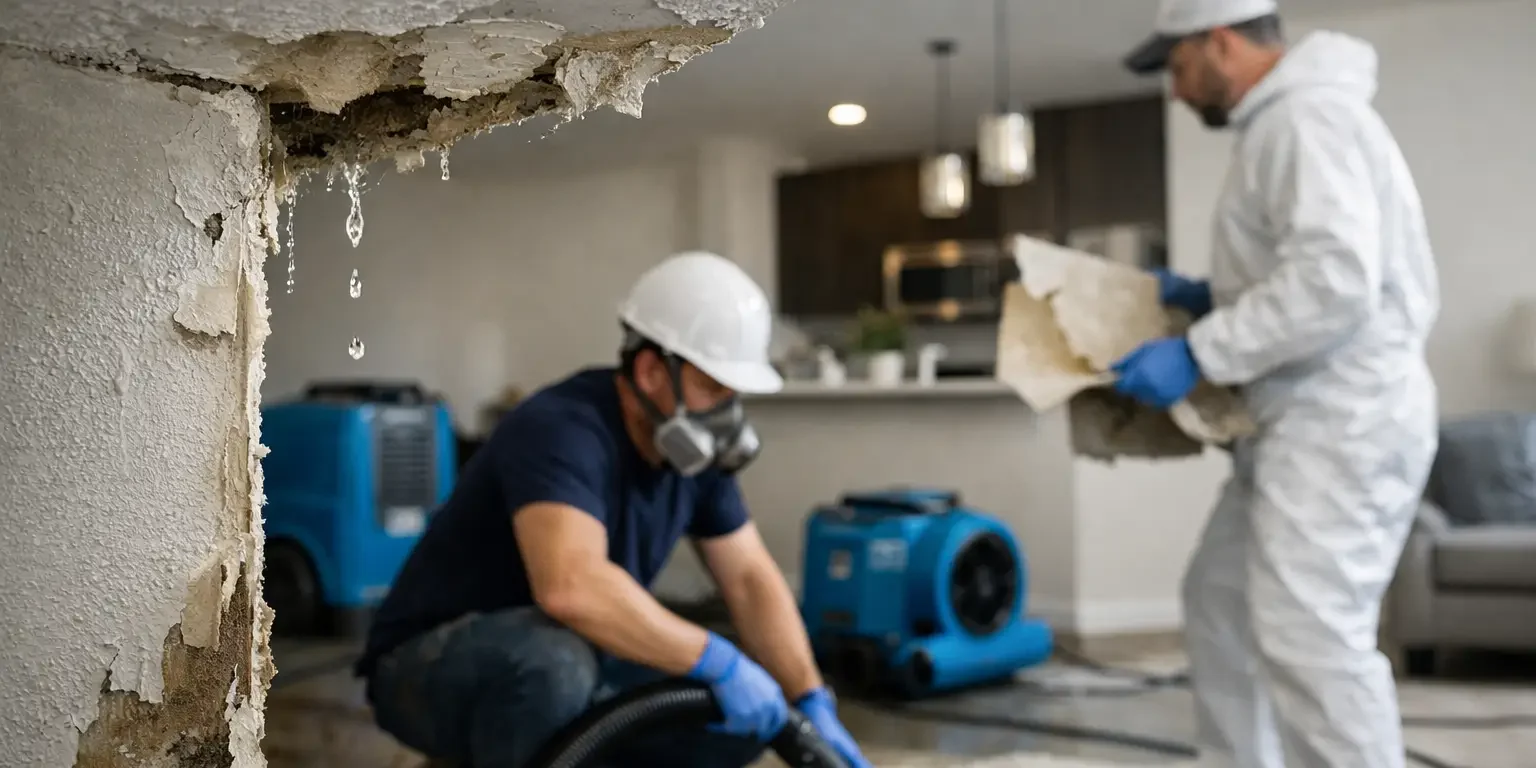
Extraction is followed by controlled drying. Depending on the situation, that may require commercial dehumidification, air movement, cavity drying, or carefully placed access openings to reach trapped moisture. Equipment should be selected and monitored based on the materials and conditions involved, not placed arbitrarily.
Some materials can be saved if they are dried quickly and remain structurally sound. Others may need removal because they absorbed significant moisture, deteriorated, or cannot be reliably cleaned and dried. Carpet may be recoverable in one incident and unsuitable in another. Drywall that was lightly affected near the edge may respond differently than drywall saturated behind a vanity or beneath a ceiling leak.
This is where a source-first approach protects the budget. The correct solution is not always the largest demolition project. It is the work necessary to return the affected area to a dry, clean, stable condition.
4. Use containment when contamination is present
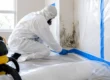
If visible mold growth or contaminated materials are identified, the work area may need containment to reduce the chance of particles spreading to clean rooms or neighboring apartments. The level of containment depends on the location and scope of the affected area.
Improper cleanup can create more disruption than the original leak. Dry scraping, aggressive demolition without controls, or spraying chemicals over damp materials can spread debris while failing to address the moisture source. A qualified remediation team uses appropriate work practices, protective measures, and HEPA filtration where the project conditions call for it.
5. Verify that the work addressed the problem
Remediation is not complete because the stain was painted or the odor seems less noticeable. The area should be visually clean, dry by moisture measurements, and free of the conditions that caused the damage. When a formal protocol or testing plan is involved, post-remediation verification may be appropriate before repairs close walls or ceilings.
That final check is particularly useful for landlords and property managers. It creates confidence that repairs are being made over a resolved condition rather than concealing an ongoing problem.
What Tenants, Owners, and Managers Should Do Differently
Tenants should report leaks in writing as soon as they are noticed, take clear photos, move belongings away from wet areas when safe, and avoid running fans directly at visible contamination. Do not cut into walls, remove ceiling materials, or attempt to treat a recurring leak with household cleaners. Those actions can create safety concerns and complicate the documentation of the original condition.
Owners and managers should establish a clear escalation process for active water events. Maintenance can handle certain repairs, but a recurring leak, widespread moisture, visible growth, strong odors, or damage crossing unit boundaries deserves an experienced environmental assessment. Fast coordination also reduces tenant disruption and protects the building from escalating repair costs.
Communication matters as much as equipment. Occupants deserve practical information about access, drying equipment, expected noise, temporary relocation needs if any, and when the area can be used normally again. Clear communication reduces frustration and helps residents recognize why a proper response cannot always be completed in a single visit.
Avoid These Common Remediation Shortcuts
Painting over stains, replacing only the visible ceiling patch, or adding a fragrance to cover an odor are cosmetic actions, not leak remediation. They may delay detection of a continuing plumbing or moisture issue.
Another shortcut is treating every situation as a major contamination emergency. That is not responsible either. Some leaks are contained quickly, materials dry successfully, and no further remediation is needed. A certified professional should explain the evidence, the options, and the reason behind the recommended scope without using fear to force a decision.
For apartment properties in Monmouth County and nearby communities, response time can make a meaningful difference after a leak. Certified Mold Removal Inc. evaluates the source, moisture conditions, and affected materials so owners, managers, and residents can move forward with a documented, appropriate plan.
When water enters an apartment, focus first on the facts: stop the leak, document the damage, measure the moisture, and correct the conditions that allowed it to spread. That disciplined response is what turns a stressful water event into a manageable repair.